Rechercher...
Market in Corsica: discovering the gastronomic treasures of the Isle of Beauty New
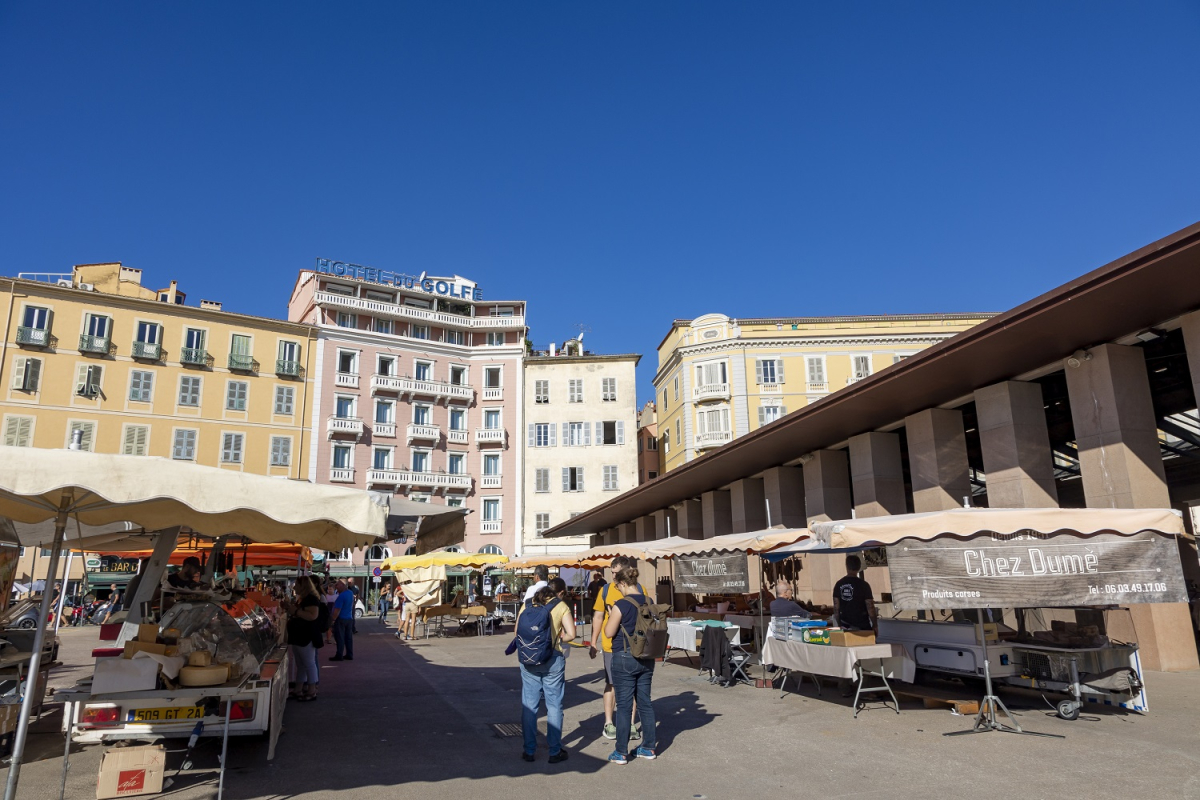 ©ATC/Sylvain Alessandri
Figatellu (a Corsican speciality made from liver) sizzling on the grill, amber honey glistening in the sun, vendors calling out to their regular customers... Welcome to Corsica's traditional markets. From Calvi to Portivechju (Porto-Vecchio), these weekly gatherings are an integral part of island life. Local producers showcase their regional products, made using methods passed down from generation to generation.
Daily markets: Corsican life in its purest form
At dawn, the squares of towns and villages come to life. In Aiacciu (Ajaccio), Place Campinchi hosts a colourful market from Tuesday to Sunday. Cheese makers rub shoulders with market gardeners, fishermen unpack their crates of fresh fish and artisans display their creations.
Discussions in Corsican fly back and forth, and cooking tips are exchanged between weighings.
In Calvi, the daily covered market near the port attracts tourists and locals alike. The atmosphere is particularly lively in summer, when the scents of the maquis and the sea mingle with the aromas of the market stalls.
The Sunday market in Portivechju brings the Town Hall square to life every Sunday.
Producers arrive from the surrounding hills, accompanied by their artisanal specialities.
Head to Bastia to enjoy the atmosphere of the traditional market. Migliaccioli (savoury cheese specialities) are cooked on site, giving off an irresistible aroma that attracts food lovers from the early hours.
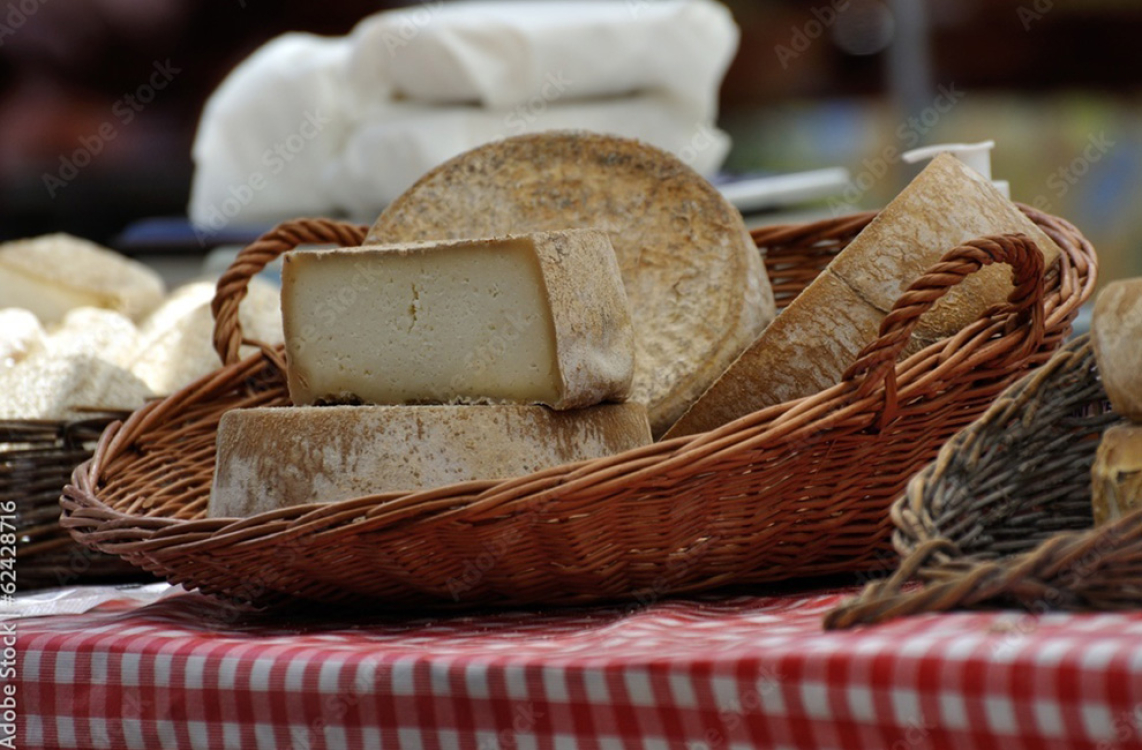 Cheeses from a Corsican market ©adobestock
Iconic products: the essence of Corsican terroir and craftsmanship
Corsican PDO charcuterie takes pride of place on the shelves. Prisuttu (dry-cured ham), coppa (pork neck) and lonzu (pork loin), all three protected since 2012, are testament to exceptional craftsmanship. These products, made from nustrale pigs raised in the wild in the Corsican mountains, are distinguished by their unique flavours infused with the aromas of the maquis.
Brocciu, a fresh cheese with a subtle flavour, is only available from December to June. Strong-flavoured tommes and soft cheeses complete the range: Niulincu, Venachese, Calinzanincu, Bastellicacciu and Sartinese.
AOP honey, available in six varieties depending on the season and the flowers pollinated, is a concentrate of Corsican flora. From light spring honeys to dark, powerful chestnut honeys, each jar tells a different story of the island's landscape.
Corsican wines, with their nine PDOs based on indigenous grape varieties such as Niellucciu, Sciaccarellu and Vermentinu, complete this gourmet quartet. Their strong characters perfectly express the island's different terroirs.
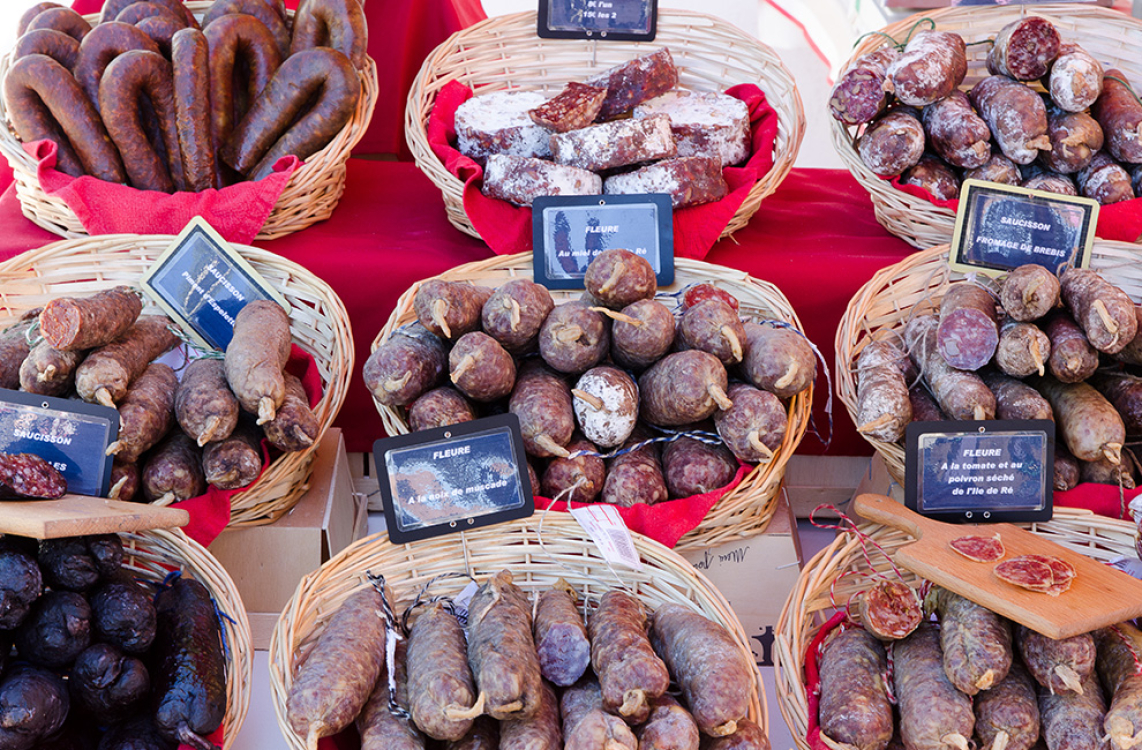 Traditional Corsican charcuterie ©ADOBESTOCK
Traditional fairs: celebrations of culinary heritage
In Santa Lucia di Tallà ( Sainte-Lucie-de-Tallano ), ‘ A Festa di l'Oliu Novu ’ lights up mid-April. This festival of new oil offers a sensory journey around Corsican olives. Millers open their facilities and chefs reveal their secrets for enhancing this liquid gold.
In Montemaggiore , the Fiera Di L'Alivu (Olive Tree Fair) in mid-July attracts more than 10,000 visitors to the small village of Balagne. Labelled a ‘remarkable site of taste’, the event offers oil tastings paired with local products in a festive atmosphere.
For almond lovers, the Aregnu Fair (Aregno) in early August transforms this village in Balagne into a nut paradise. It's an opportunity to discover the many culinary uses of this typically Mediterranean product, from traditional nougat to contemporary pastries.
In mid-September, I Peri (Peri) becomes the epicentre of Mediterranean fruit par excellence during ‘ A Festa di u Ficu ’. Figs are celebrated in all their forms: fresh, dried, in jam or in pastries. Every year, the jam competition reveals treasures of creativity. Visits to the orchards allow visitors to discover the different varieties grown locally.
Murzu (Murzo) hosts ‘ Mele in Festa ’ at the end of September, the only day on the island entirely dedicated to honey. In this hilltop village of the ‘two Sorru’, the narrow streets are transformed into a buzzing hive where beekeepers passionately present their products. Conferences explain the challenges of this ancient profession and workshops introduce young and old alike to the secrets of Corsican bees.
Chestnuts take centre stage in Bucugnà (Bocognano) during ‘ A Fiera di a Castagna ’. This autumn fair showcases PDO flour, an essential ingredient in many local recipes such as pulenda. It accompanies figatellu during the winter months.
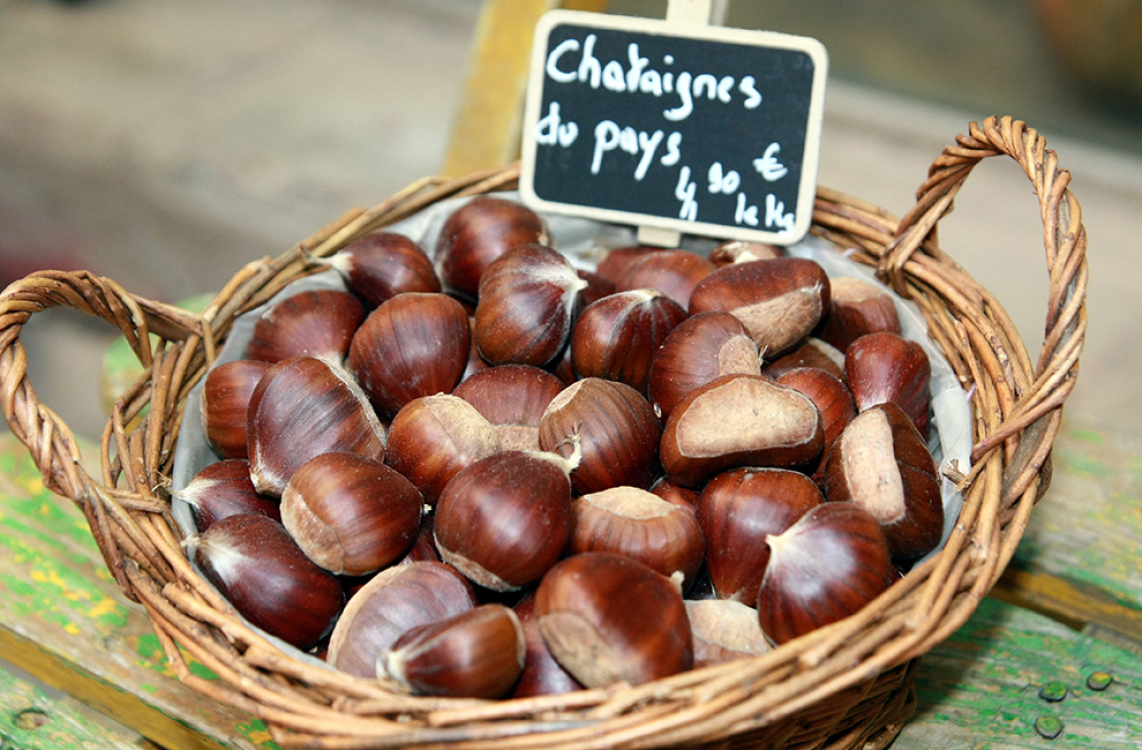 Corsican chestnuts, an essential part of local cuisine ©adobestock
Good to know: Gourmet calendar in Corsica Here are the key dates to mark in your calendar
- April: A Festa di l’Oliu Novu in Santa Lucia di Tallà
- July: Olive Tree Fair in Montemaggiore
- August: Almond Tree Fair in Aregnu
- September: A Festa di u Ficu in Peri, Mele in Festa in Murzu
- December: A Fiera di a Castagna
The complete calendar of rural fairs and list of markets is available at visit-corsica.com.
Tips for soaking up the spirit of Corsican markets
The ideal time to arrive is early, around 8 a.m. The stalls are still overflowing and the producers take the time to tell the story behind each product. A basket or cooler bag will keep your finds fresh, especially in summer when temperatures rise to around 30°C.
Tasting is an integral part of the Corsican market experience. Trying before you buy allows you to discover the subtleties of a perfectly matured cheese or perfectly cured charcuterie. Producers are happy to share their tips on how to use their products and sometimes even their family recipes passed down from generation to generation.
Market finds make the perfect picnic – a few slices of prisuttu, a piece of brocciu, olives and a good Corsican wine. Sitting in the shade of an olive tree or facing the turquoise sea, these flavours take on a new dimension, far from the tourist hustle and bustle.
Corsican markets go beyond their commercial function: they become places for passing on local know-how. Each product tells a story, that of a preserved terroir and producers attached to their land, keen to maintain the authenticity of their culinary traditions.