Rechercher...
PLATEAU DU CUSCIONU
Plateau du Cuscionu, 20122 Quenza
Pets allowed : Yes
Presentation
Situated in south-central Corsica, the Cuscionu (or Cuscio) plateau forms a natural plateau between the high valleys of the Taravo and the right bank tributaries of the Rizzanese, notably the Codi and Chiuvone, and the slopes of Monte Alcudina, the highest point in the south of the island at 2,134 metres.
This exceptional area covers some 70,000 hectares, spread across the municipalities of Zicavo, Aullène, Serra di Scopamena and Quenza. It forms a unique landscape in Corsica, where height, rock and water create an environment that is both hostile and poetic.
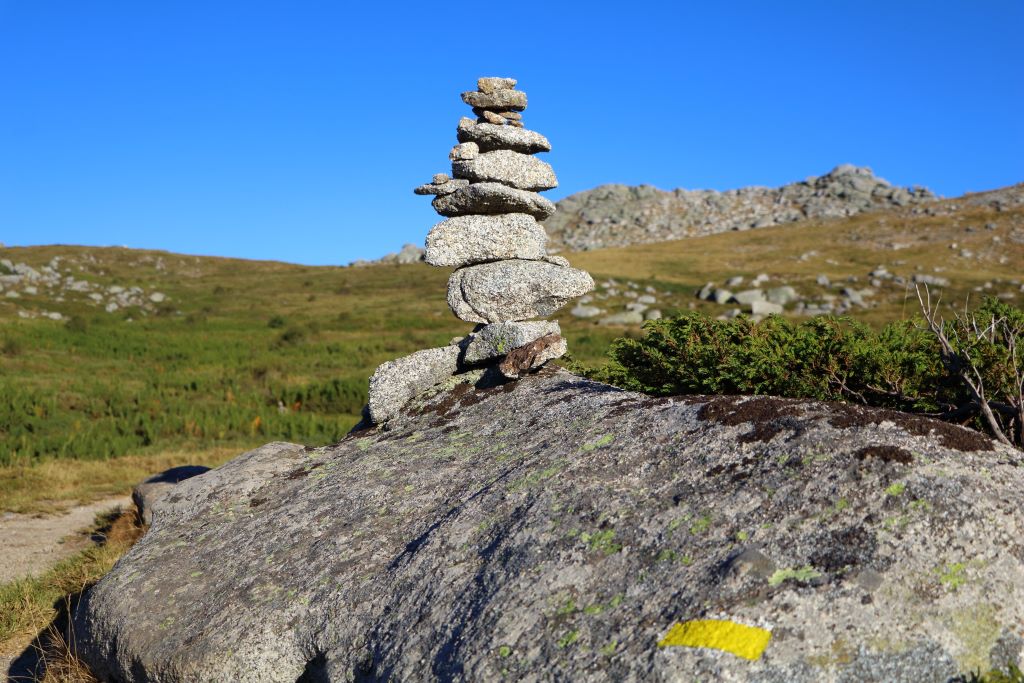
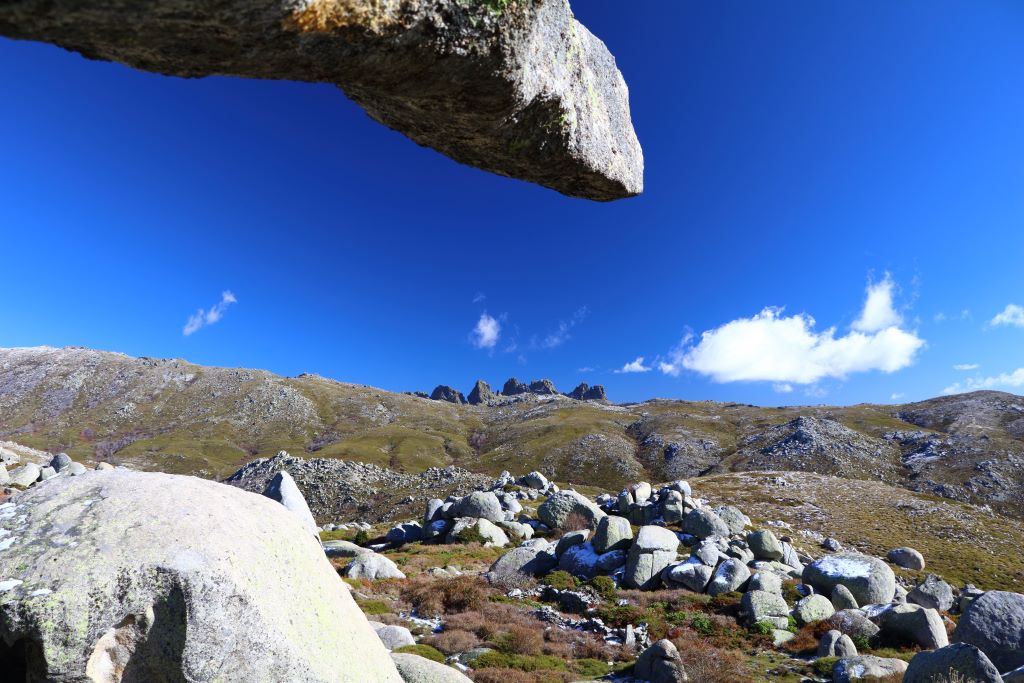
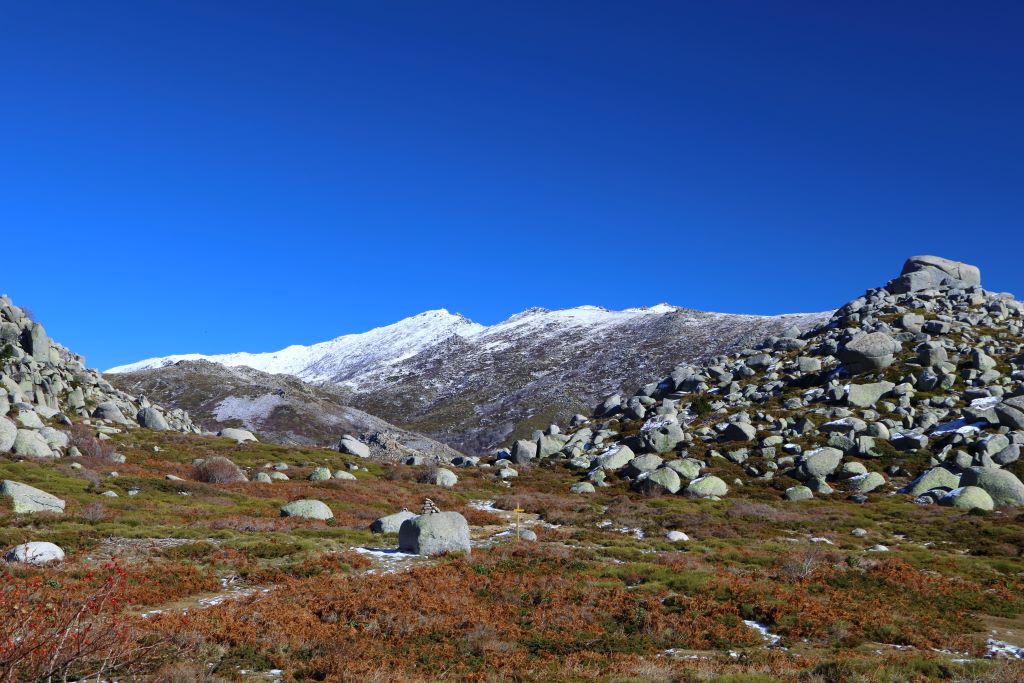
The plateau ranges in altitude from 1,400 to 1,700 metres. It is made up of granite massifs interspersed with deep valleys, alternating with large high plains. This varied landscape has been shaped by erosion, wind and centuries. Here, the rock takes on astonishing shapes: in particular, there are numerous tafoni - natural cavities in the rock - which the ancient inhabitants sometimes used as rudimentary shelters to protect themselves from the cold, wind or rain.
The Cuscionu plateau is best known for its pozzines, magnificent high-altitude wet meadows that are among the most beautiful on the island. These spongy grasslands grow on peaty soil irrigated by melting snow and natural springs, including the Codi stream. The pozzines form a bright green carpet, criss-crossed by small winding streams. They offer a striking natural spectacle, particularly in spring and early summer.
These wetlands are home to a rare biodiversity, with endemic, fragile and protected plants. This environment is extremely sensitive: it is vital not to trample the wetlands, to stay on the paths and to respect the markings to preserve this unique heritage.
The Cuscionu plateau is a natural refuge for numerous animal species, some endemic, others emblematic of Corsican fauna:
- Bearded vultures, golden eagles and red kites soar through the air.
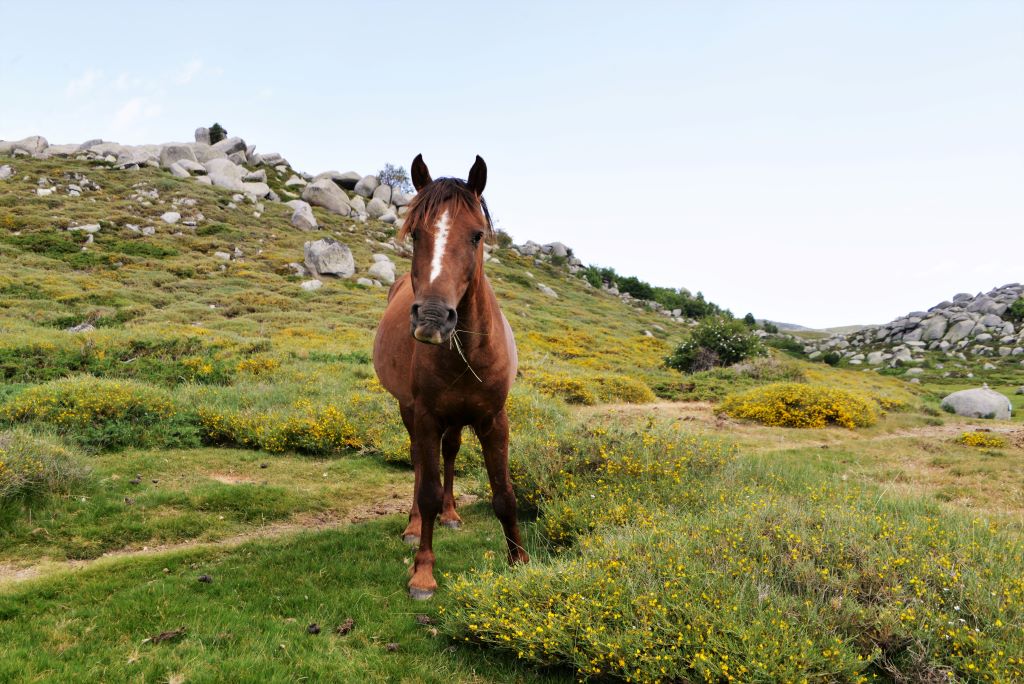
- Mouflons, wild horses, free-roaming pigs and cows graze on the grassy expanses
- Small amphibians and rare insects populate the wetlands
The contrast between raw nature, wildlife and mineral silence gives the plateau an almost mystical atmosphere. Some of the massive, flattened rocks at the summit are reminiscent of a natural anvil, adding to the impression of a place out of time.
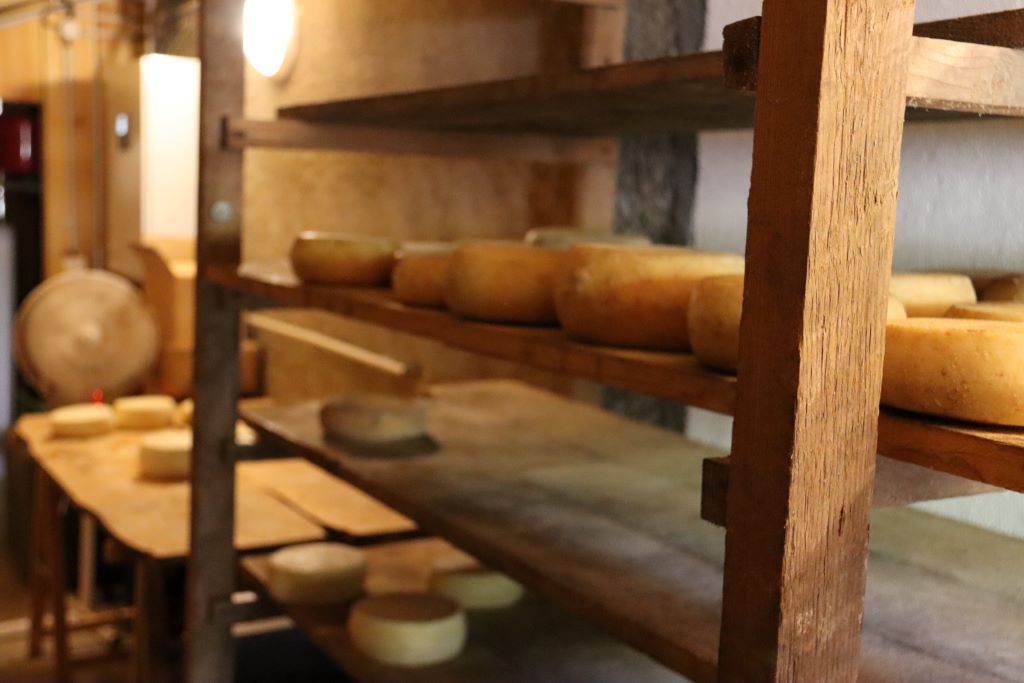
Every summer, the Cuscionu plateau returns to its ancestral role as a summer pasture. Shepherds bring their flocks of sheep and goats up here to take advantage of the rich, fresh pastures offered by the altitude. This summer transhumance, still practised today, perpetuates an age-old pastoral tradition. The sheepfolds, often built of dry stone, dot the landscape and bear witness to a rustic and enduring know-how. When you meet a shepherd or a free-ranging flock, you'll come into contact with the rural soul of the region, where man and nature coexist to the rhythm of the seasons.
Access to the Cuscionu plateau remains relatively difficult, which contributes to its preservation.
Tips for a responsible visit:
- Prefer hiking or guided tours.
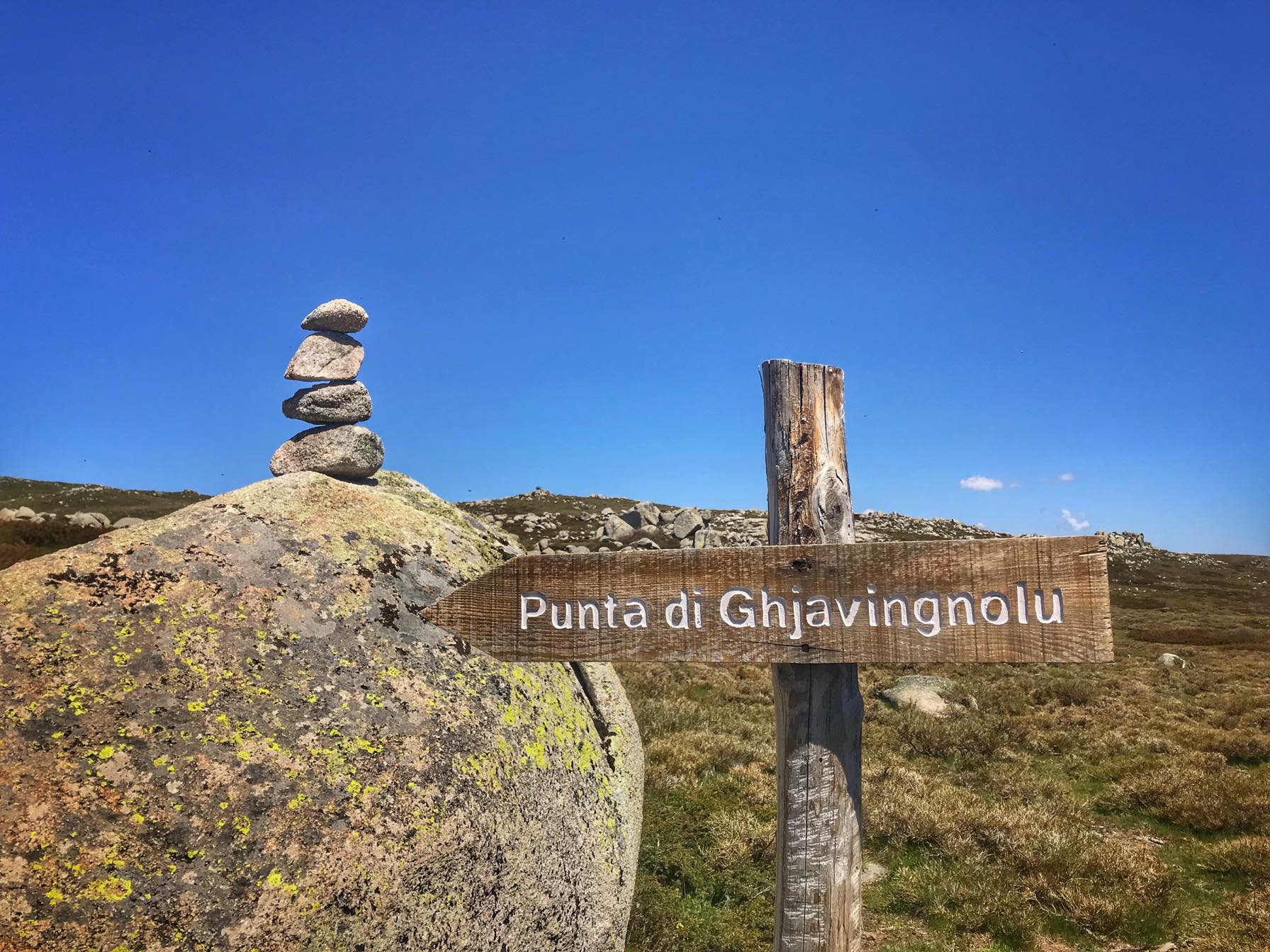
- Stay on the marked trails and avoid the wetlands
- Respect the fauna; do not touch the animals, even if they appear to be domesticated
- Don't take any flowers or plants with you - some species are protected
- Take your rubbish with you - there are no bins in the wilderness
- Wear suitable footwear, warm clothing and plenty of water.
Locate