Rechercher...
A Strada Paolina: a heritage trail in the heart of Corsica
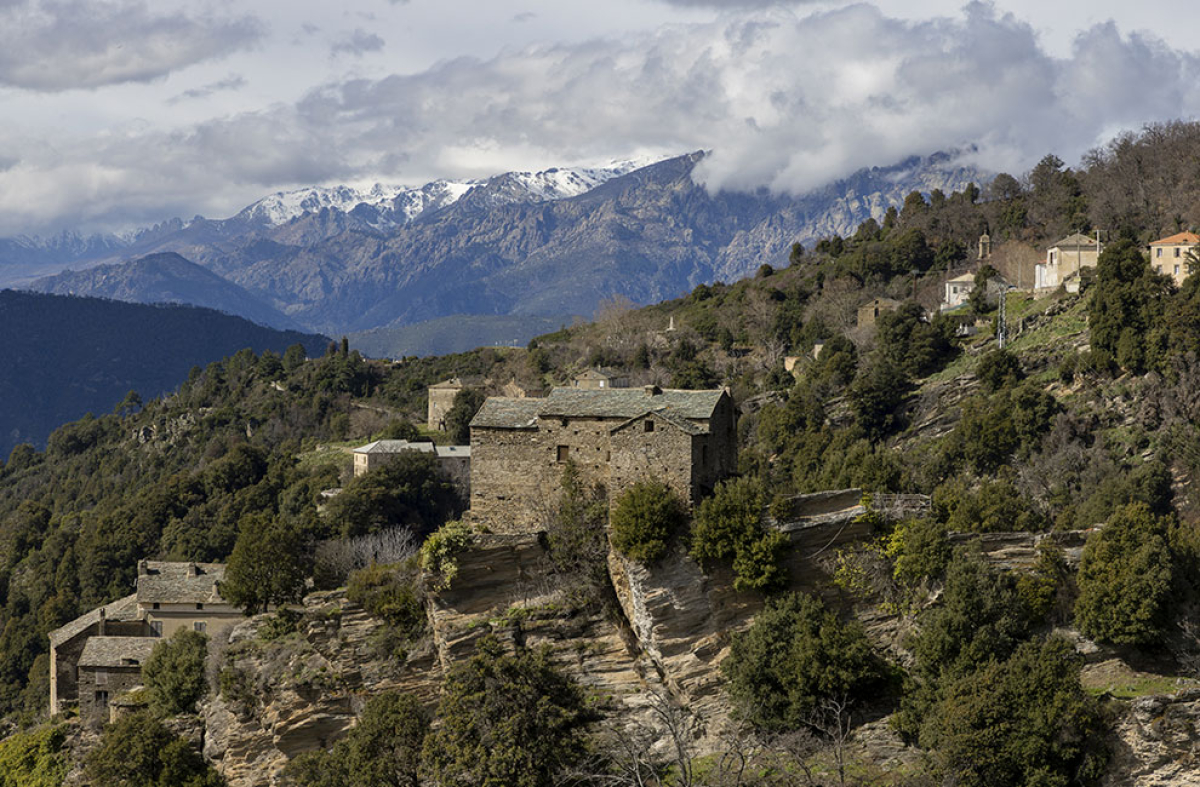
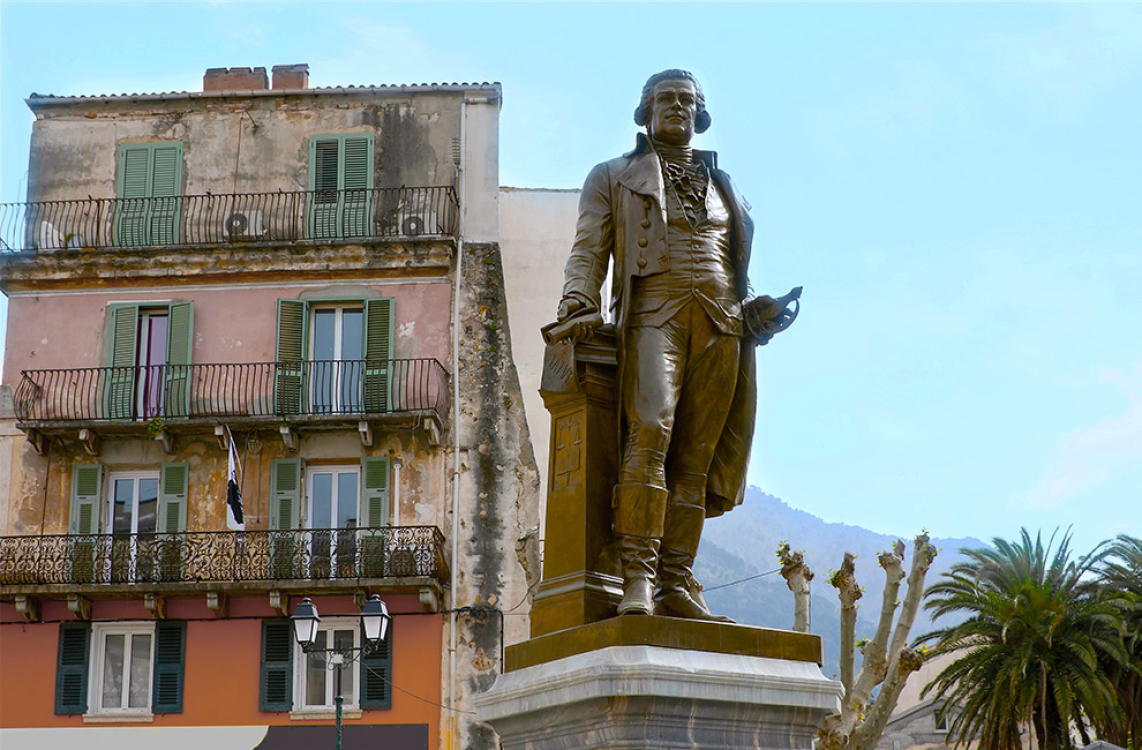
Between the sea and the mountains, A Strada Paolina invites you to explore the authentic villages of Castagniccia in the footsteps of the ‘Babbu di a Patria’(Father of the Fatherland). This 13-stage trail in Corsica reveals the legacy of Pascal Paoli, architect of the first Corsican democracy in the 18thcentury. Historic bridges, baroque churches and convents line this route, which is accessible all year round to families and culture lovers alike.
 ©ATC S.ALESSANDRI
The must-see sites along the route
The Ponte Novu bridge symbolically opens the route. This historic monument commemorates the defeat of the Corsican troops by the French army in 1769, marking a turning point in the island's history.
Continue on to the Valle di Rustinu (Valle-di-Rostino), where you will find the church of Santa Maria di Riscamone (Sainte Marie de Rescamone), a jewel of 12th-century Romanesque architecture. A few kilometres away, in the village of Castellu di Rustinu (Castello-di-Rostino), is the chapel of Saint Thomas. Its frescoes, listed as Historic Monuments, depict remarkable religious scenes that bear witness to the island's medieval art.
Continue towards Campile . The Church of Saint Paul and Saint Peter has a Baroque façade that reflects the Italian influence on the island's art.
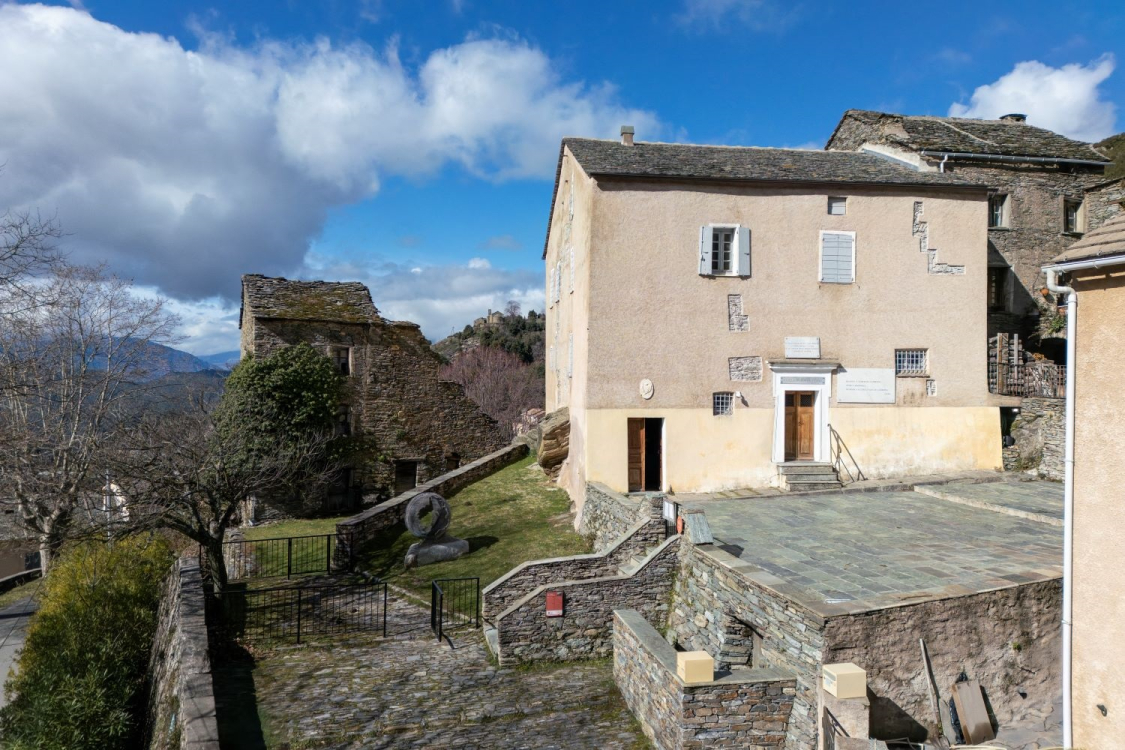
Now head south and stop off at Merusaglia (Morosaglia). Take the time to explore the birthplace of Pascal Paoli, now a museum. This historic site will teach you more about the ‘Father of the Fatherland’ and his role in the quest for Corsican independence.
Complete your journey with a visit to the church of San Ghjuvan Battista (Saint John the Baptist) in A Porta (La Porta). The building was constructed between 1644 and 1686 by the Milanese architect Domenico Baïna. Its façade features a Latin inscription honouring Saint John the Baptist.
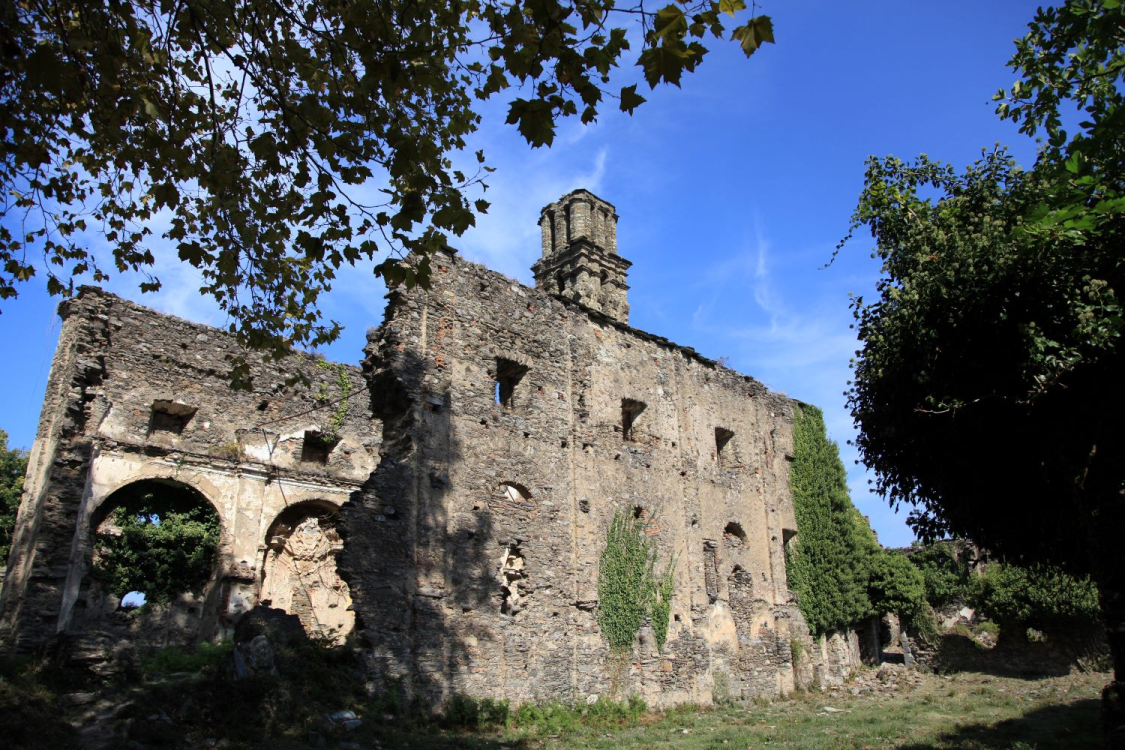
The itinerary ends at the convent of San Francescu d'Orezza in Pedicroce (Piedicroce), at the foot of Monte San Petrone (Mount San Petrone), where the proclamation of independence of 1735 still echoes. The thick walls of the building housed the theological discussions that legitimised the revolt against Genoa.
 ©ATC S.ALESSANDRI
A modern experience of an ancient heritage
Let yourself be guided along the A Strada Paolina by explanatory panels available in four languages (French, English, Italian, Corsican) and an intuitive mobile app. By scanning the QR codes, you will discover videos and interactive content that bring the Paolian era back to life.
Make the most of your cultural trip by sampling local produce and meeting local artisans. The Museu Pasquale Paoli (Pascal Paoli Museum) has an entire room dedicated to the traditional crafts of the Castagniccia region.
 ©ATC S.ALESSANDRI
For more information, visit the Castagniccia Mare è Monti and Pascal Paoli tourist offices.
 ©ATC S.ALESSANDRI
Historical point: The pioneer of modern democracies
In 1755, Pascal Paoli established a revolutionary constitution that separated the executive, legislative and judicial powers. He founded a university in Corte in 1765, launched a newspaper, ‘Le Babbu di a Patria’, and had a national currency minted bearing the image of Corsica. These democratic innovations preceded the great Western revolutions by several decades, to the point that Voltaire nicknamed him ‘the legislator and hero of his country’.
The tercentenary of Paoli's birth, from 6 April to 8 December 2025, enriches A Strada Paolina with new sites in Corti, Boziu and Niolu. Conferences, exhibitions and screenings celebrate this political visionary whose ideas continue to inspire contemporary Corsica.
A Strada Paolina is part of the Corsican Tourist Board's commitment to promoting the inland areas and spreading tourist flows throughout the seasons. Far from the crowded beaches, the circuit reveals the authentic soul of the island through its heritage and the women and men who bring the rural areas to life.
Discover the programme
Locate