Rechercher...
Bastia: an authentic weekend for lovers of Corsican culture and nature
Arrival by boat, slow travel and first impressions
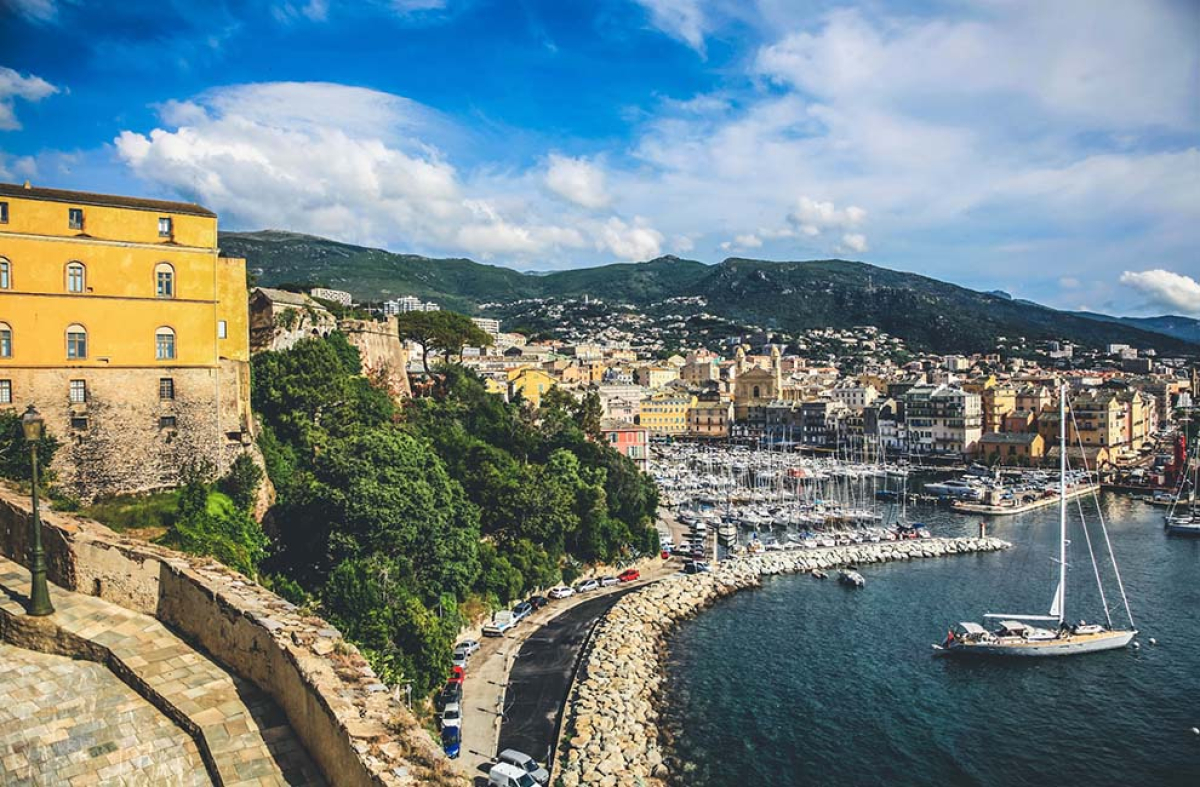
The journey to Bastia begins aboard a ferry from France or Italy. Arriving by boat means treating yourself to a slow travel experience. The crossing is part of the adventure. For a few hours, leave the hustle and bustle of the mainland behind and give way to contemplation. In the early morning, the mist clears and the Genoese citadel appears. The ferries dock at the port, and a flock of seagulls always accompanies the disembarkation. From the port, Bastia reveals its colours with ochre and pastel facades, the great blue ribbon of the Mediterranean, and the green crown of the maquis on the heights.
After crossing the terminal, the Piazza San Niculà (Saint Nicholas Square) welcomes you. This huge esplanade, adorned with palm trees, benches and statues (including the famous statue of Napoleon as Roman emperor), is the first landmark for new arrivals. Between the flower market, café terraces and entertainment (concerts, book markets, craft exhibitions), the square beats to the rhythm of the city.
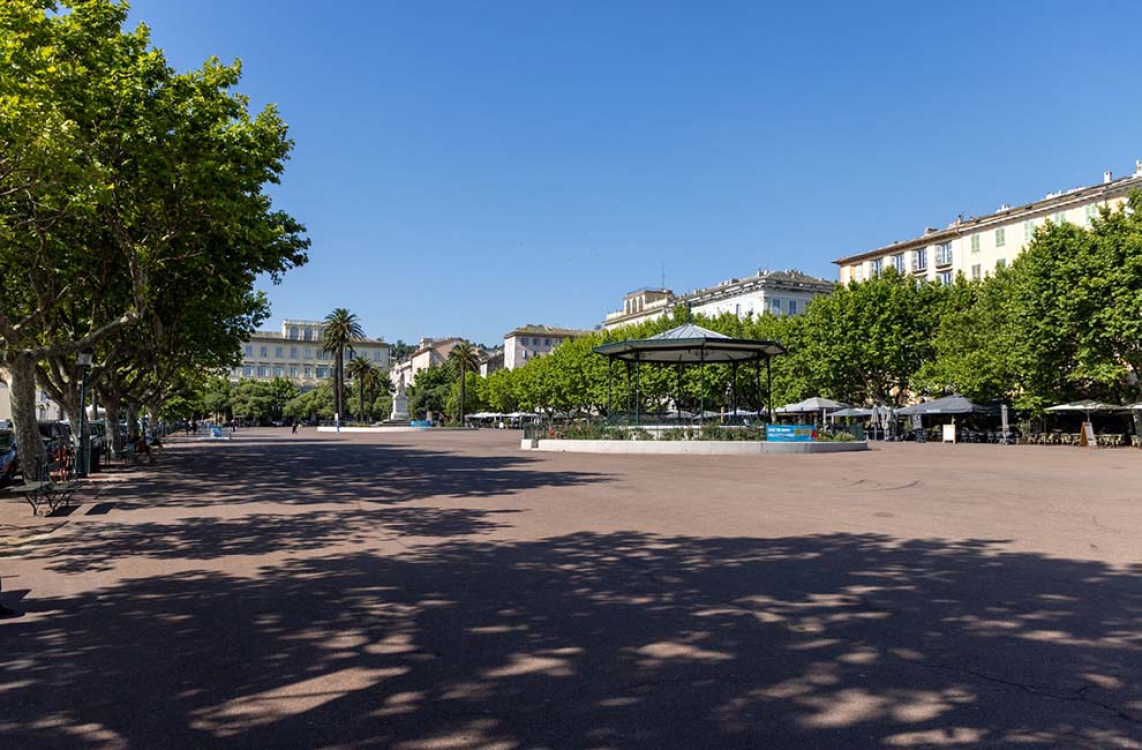 Piazza San Niculà, the beating heart of Bastia, with its lively terraces and majestic palm trees ©ATC
From there, you can explore old Bastia on foot. Head to Boulevard Paoli (the shopping street), Rue César Campinchi and Rue Napoléon with its artisan chocolatiers and modern galleries. For your first gourmet stop, the Place du Marché and its colourful stalls will immerse you in the Bastia way of life.
Bastia out of season: local atmosphere and urban heritage
Outside of the tourist season, Bastia reveals a peaceful daily life, made up of simple rituals and typical atmospheres.
In the morning, the people of Bastia like to linger on the terraces of the cafés in Piazza San Niculà (Saint Nicholas Square) or the Old Port, enjoying a coffee or discussing local news. The narrow streets of the Terra Vechja (Terra Vecchia) district (Rue Pino, Rue Chanoine Colombani, Rue des Oliviers) move to the rhythm of the shopkeepers: fishmongers, Corsican grocery stores offering prisuttu, coppa and traditional mature goat's cheeses.
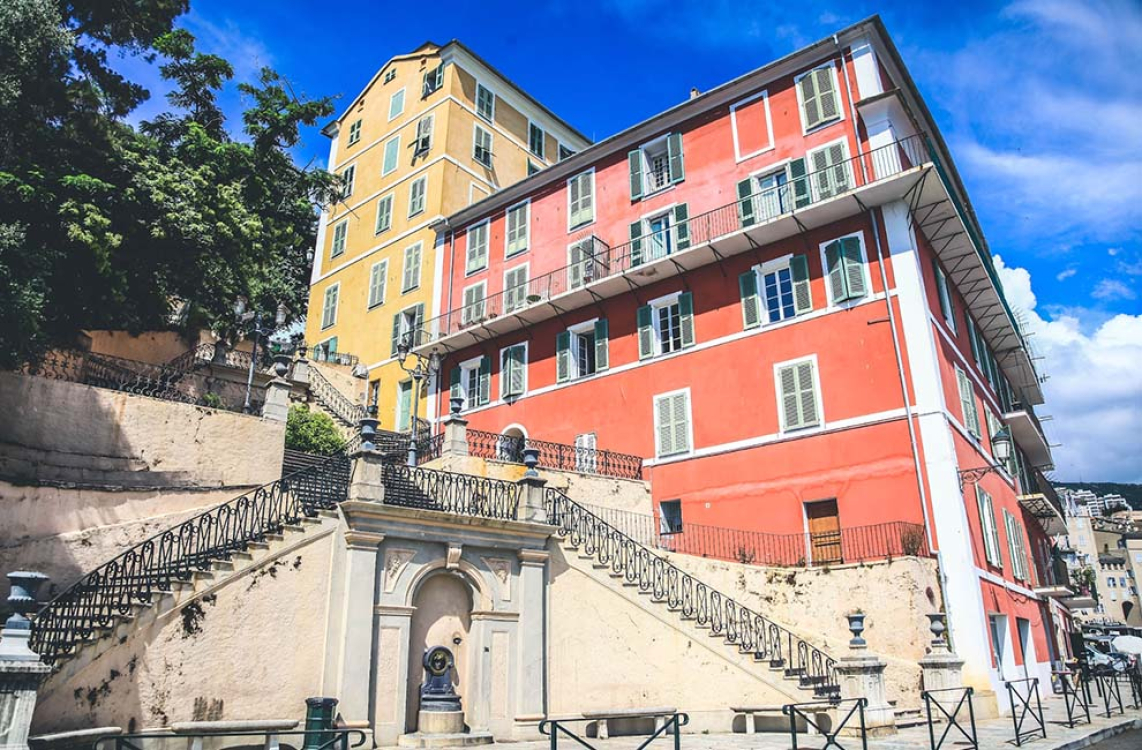 Colours, scents and conviviality in Bastia ©ATC-Sylvain Alessandri
Here, social ties are strong. The market in the square of the same name brings together producers from Nebbiu, market gardeners from Biguglia, artisans from Capicorsu (Cap Corse) and farmers from Castagniccia. The stalls are overflowing with fruit, colourful vegetables, citrons, Corsican honey and seasonal specialities made with brocciu cheese.
In terms of urban heritage, Rue Napoléon, lined with old bourgeois houses and oratories (Immaculée Conception, Saint-Roch), leads straight to the majestic Church of Saint Jean-Baptiste, one of the largest churches in Corsica, renowned for its impressive Baroque façade and two slender bell towers.
The Jardin Romieu, a 19th-century green oasis, is the ideal place to cool off under the trees or stroll among the statues and fountains. The Romieu staircase connects the citadel to the Old Port and offers numerous views of the sea and the lower town.
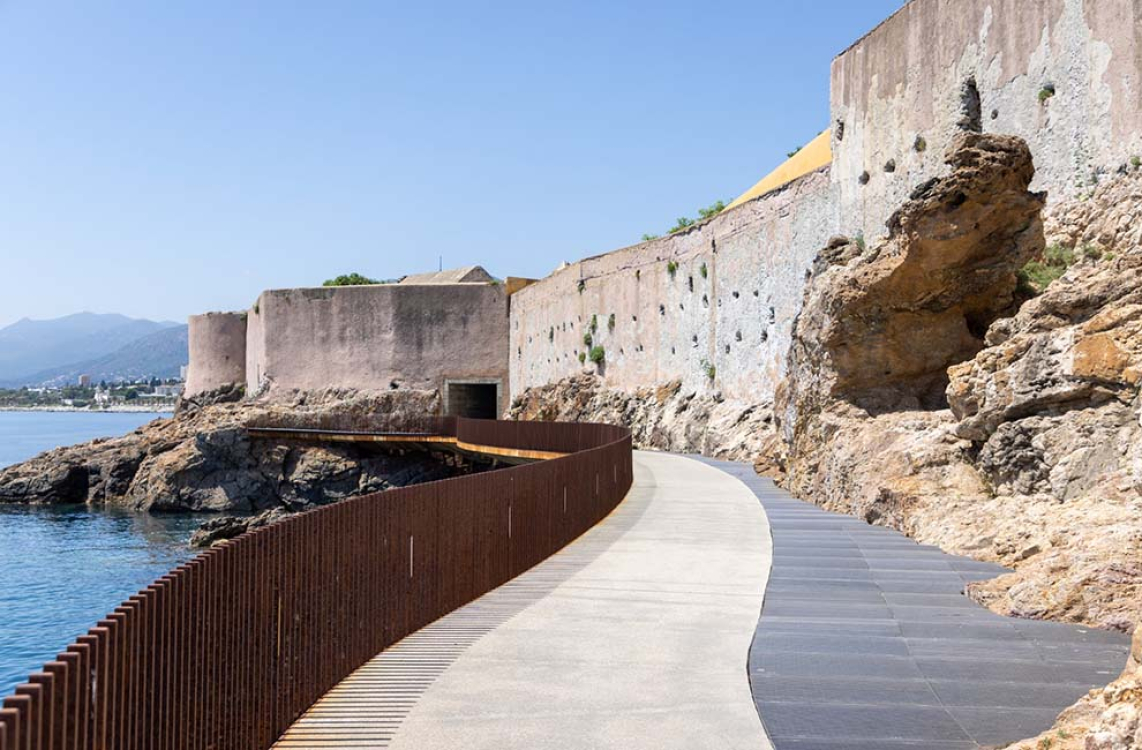 The Terra Nova citadel, a unique panorama of the Mediterranean. L'Aldilonda ©ATC
The citadel (Terra Nova), accessible either via the Romieu gardens or the Montée Saint-Charles, overlooks the Mediterranean. It boasts cobbled streets (Rue du Chanoine Letteron, Place du Donjon), colourful Genoese houses, small clothes drying areas and the Governors' Palace (now the Bastia Museum).
Exploring Bastia also means stopping at its deeply Mediterranean churches: Sainte-Marie Cathedral, a Baroque jewel with polychrome marble, and Sainte-Croix Oratory, famous for its black Christ.
Local flavours and must-visit places
It is impossible to stay in Bastia without sitting down at its restaurants, bistros and markets, which reflect the local culinary craftsmanship.
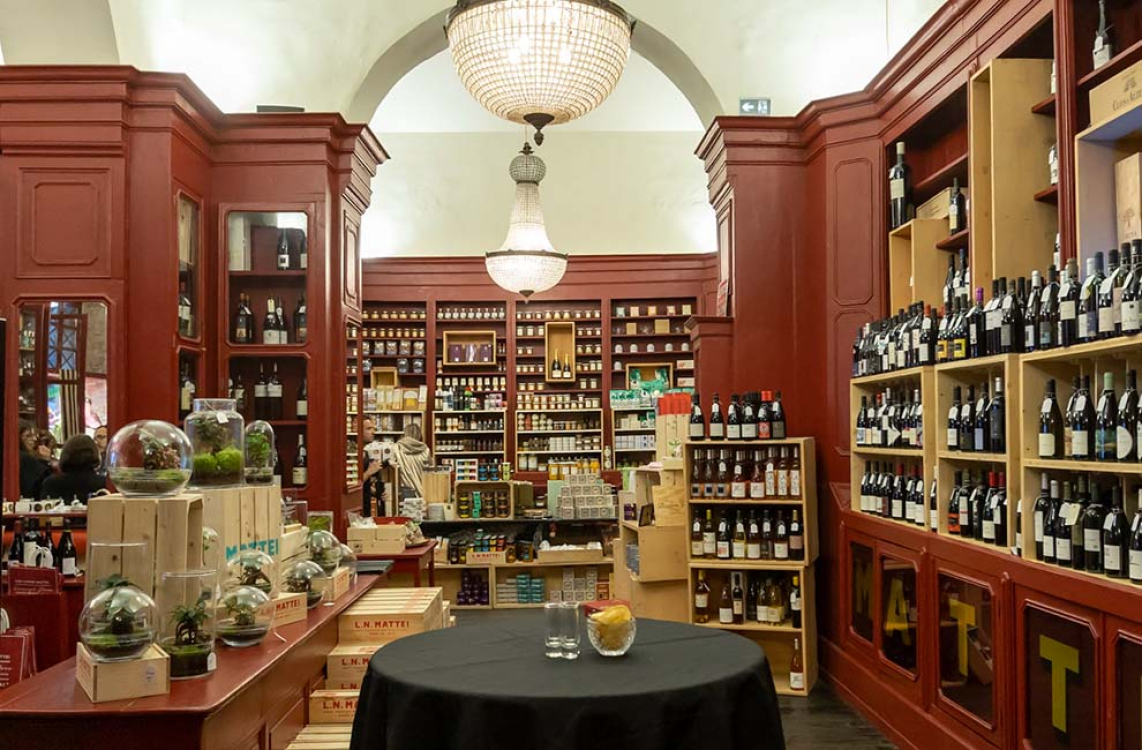 The Bastia way of life: local specialities and wines from Cap Corse © ATC Sylvain Alessandri
Tables and good addresses in Bastia
The art of living in Bastia involves convivial places where locals and travellers meet. Several addresses punctuate Bastia's gourmet life:
- U Paisanu (Old Port): an excellent stall for anyone wanting to try local charcuterie, sheep's milk tomme cheese, chestnut jams, fish rillettes, canistrelli biscuits or maquis liqueurs.
- Café des Gourmets (Boulevard Paoli): renowned for its gourmet brunches, homemade pastries and cakes, Corsican eggs, Lebanese toast, generous pancakes and Buddha bowls, all served in a cosy atmosphere with a glass roof and plant-filled patio. Friendly service and fresh produce.
- Nova (south quay of the Old Port): a trendy and relaxed restaurant in the Old Port offering refined Mediterranean cuisine. Colourful and inventive dishes, a musical and friendly atmosphere, and an excellent selection of Corsican wines.
- Biscutteria (south quay of the Old Port): known throughout Corsica for its canistrelli biscuits in a variety of flavours. Their closely guarded recipes are the guilty pleasure of the Sunday market.
The markets of Bastia, a celebration of flavours
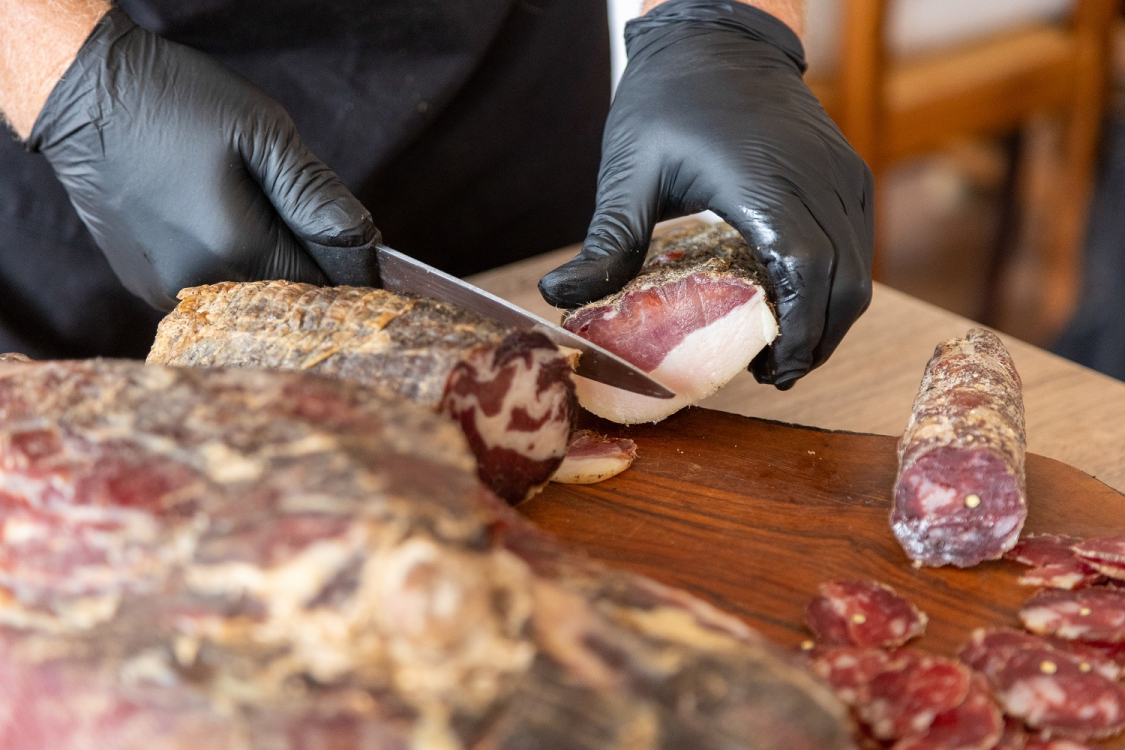 Bastia's markets: a true feast for the senses with coppa, brocciu cheese, canistrelli biscuits and AOC honey. © ATC Sylvain Alessandri
The markets of Bastia are a real feast for the senses. In the Market Square and Piazza San Niculà (Saint Nicholas Square), producers and artisans showcase prisuttu (dry-cured ham), lonzu, coppa, figatellu, brocciu, sheep's milk tomme, canistrelli, hazelnuts, mature mountain cheeses, shellfish from the port, olive oils and AOC honeys. Tastings, recipes passed down orally, and the passion of the producers have made Bastia famous for its cuisine.
The menu changes with the seasons: Easter lamb in April, chestnuts in autumn, squash and forgotten vegetables in winter. The restaurants in the centre (Rue Napoléon, Rue César Campinchi) adapt their menus to the catch of the day: stuffed monkfish, grilled red mullet, rock sars, pasta with brocciu cheese and basil, myrtle tarts... A delicious abundance.
Among the must-visit places are La Table du Marché (local fish and vegetables), aperitifs at the Bar de la Marine (old port) and local beer tastings at the Pietra brewery (Rue César Campinchi).
A festive and cultural atmosphere
Bastia and the whole of Capicorsu (Cap Corse) live to the rhythm of culture and festivities, which punctuate the calendar in both summer and winter.
The polyphonic singing concerts (Bastia In Cantu at the theatre, Saint-Roch Church, Saint-Jean-Baptiste Church, Sainte-Croix Oratory) are highlights not to be missed. The pure emotion of the mingling voices resonates in the ancient stones. Each evening often ends at the Place du Donjon or the Marché bar to continue the party with friends.
The Rencontres Musicales music festival and the Christmas market (Mercatu di Natale, Place du Marché and Piazza San Niculà (Place Saint-Nicolas) offer everyone the chance to immerse themselves in the local culture.
Numerous craft workshops (glassmakers, potters, luthiers, jewellers) enliven the Terra Nova district and the Place du Donjon. Take part in a pottery workshop or watch a demonstration of traditional singing or dancing.
Hiking and secret villages in northern Corsica
In the area surrounding Bastia, unspoilt nature, wine-growing heritage and authentic stops reveal themselves along the paths and at rest stops.
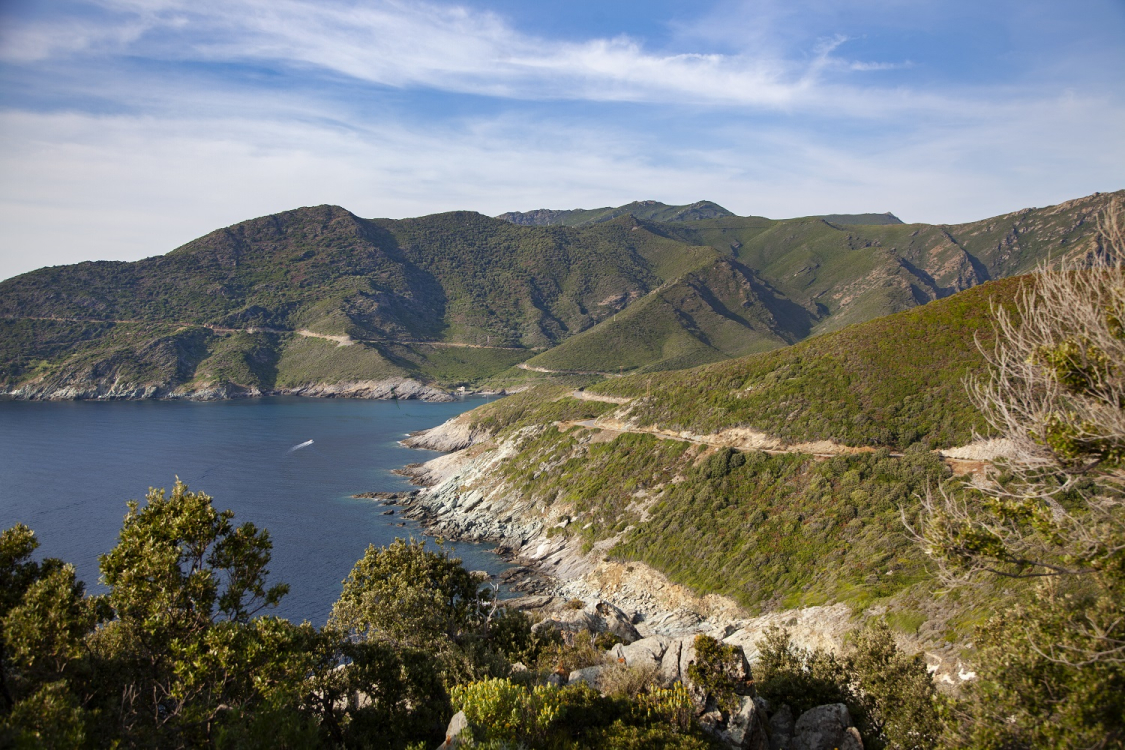 The wild coastline of Cap Corse, between Genoese towers and unspoilt coves ©ATC Sylvain Alessandri
Getaways and hikes around Bastia
Nature is omnipresent on the outskirts of the city. From Arinella Beach, an endless strip of sand bordered by salt marshes teeming with migratory birds, walk to the mouth of the Golo River or treat yourself to a picnic with a view of the sea. The trails of Furiani and Cap Sagro will delight hikers.
To the north, the more secluded Grigione beach charms visitors with its tranquillity and exceptional views of the mountains. Further afield, the Ficaghjola cove, accessible on foot, is a peaceful haven of pebbles, ideal for swimming or angling.
Hiking enthusiasts will also enjoy Monte Stello (starting from Cardo, a hilltop village accessible by bus). The climb offers a panoramic view of the town, the Tyrrhenian Sea and the surrounding scrubland.
The Customs Officers' Path, starting from Macinaghju (Macinaggio), runs along Capicorsu (Cap Corse) to Centuri. It takes you through wild coves, Genoese towers, deserted beaches and small fishing ports such as Centuri.
Head for the Capicorsu (Cap Corse) coastline! Ten minutes away by car, the port of Erbalonga, a hamlet of Brando, leaves a lasting impression with its timeless charm, featuring winding pedestrian streets, sculptures on the façades, a Genoese tower, small bars on the main square, art galleries and jazz concerts in the summer. The atmosphere is gentle, a true distillation of the Corsican way of life. Foodies can taste the Cape's Muscat wine at the producers' premises, while nature lovers can venture to the freshwater spring or climb up to the hamlet of U Pozzu (Pozzo) to admire the horizon.
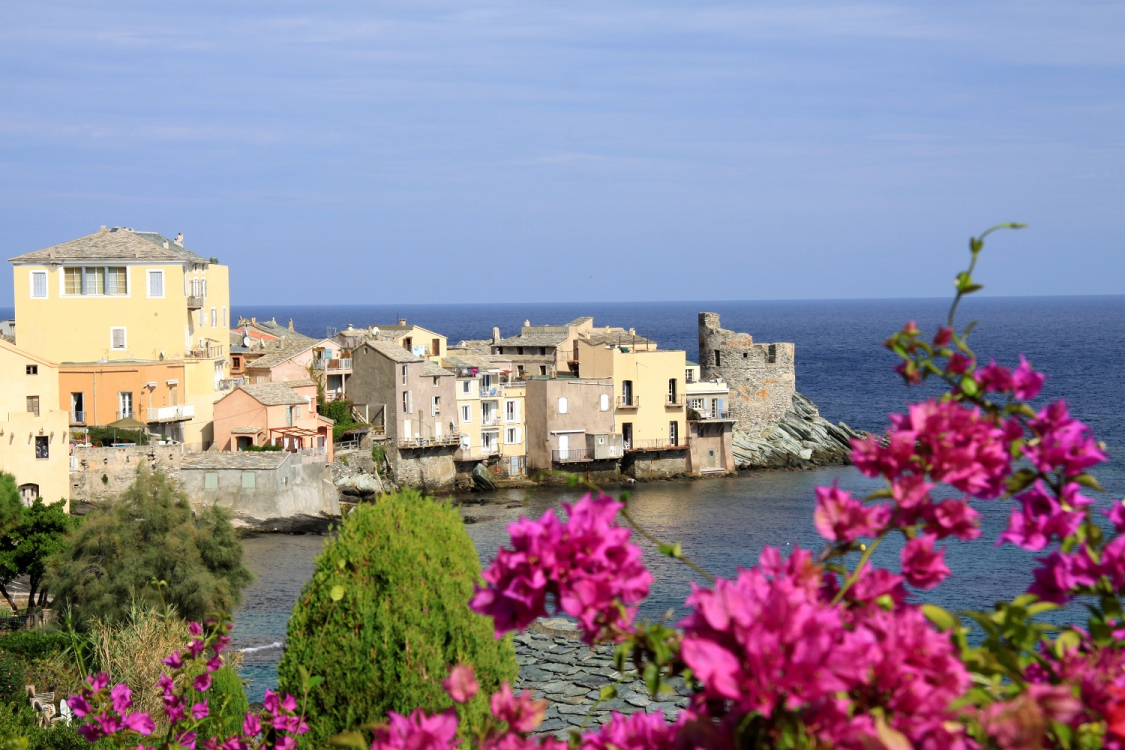 Erbalonga, the jewel of Cap Corse: a fishing village with timeless charm ©Sylvain Alessandri
Further afield, hilltop villages such as Nonza (with breathtaking views of the black beach), Barrittali (Barrettali), Luri and Canari offer magical places to stop off. It's an opportunity to sit down in a small square, take a table in a tavern, chat about this and that, and savour the best of island hospitality
Patrimonio and the vineyards of Nebbiu
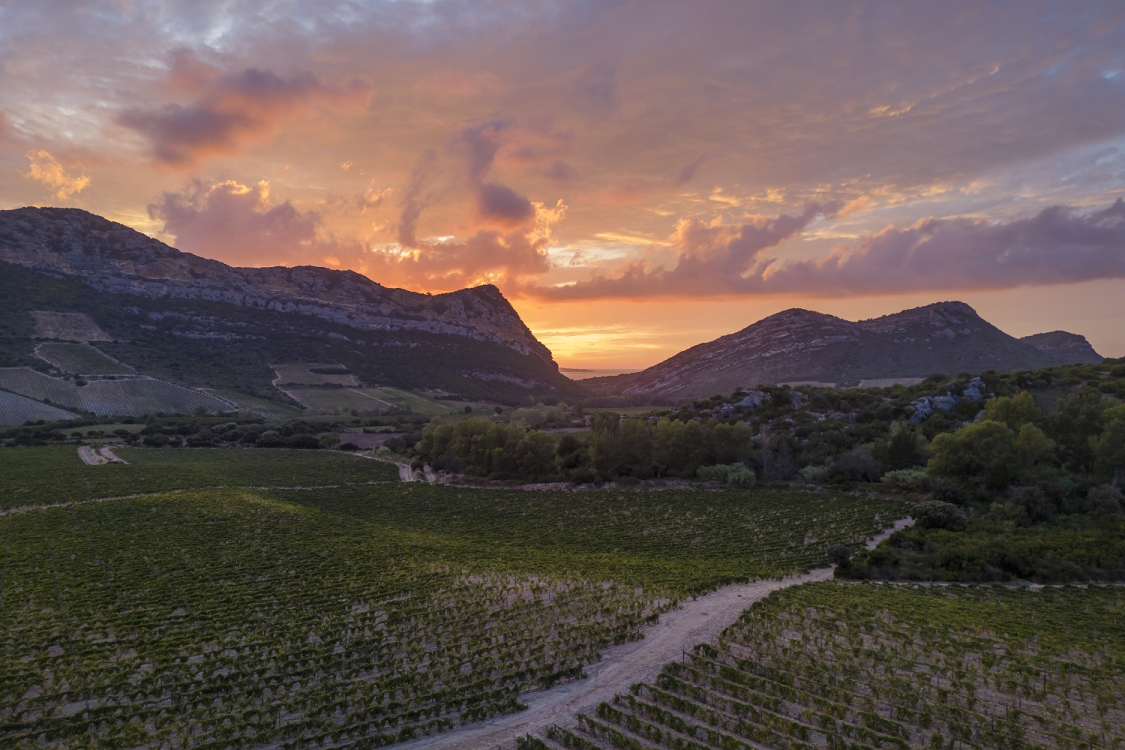 Patrimonio, cradle of great Corsican wines, where terroir and traditions meet - La Conca d'Oro is classified as a Grand Site de France ©ATC
Leaving Bastia to the west, towards San Fiurenzu (Saint-Florent), you can discover the vineyards and hilltop villages of Nebbiu and Capicorsu (Cap Corse). Park your car and stroll along the main street, between wine cellars and small chapels (Santa Maria Assunta). The musical heritage is alive and well here. Polyphonic groups sometimes sing on the square, and village festivals bring together residents and visitors in a spirit of great conviviality.
In the surrounding villages, every alleyway, coat of arms and fountain tells the story of ancient Corsica. Canari, Pinu (Pino), Barrittali (Barrettali) and Siscu (Sisco) boast peaceful squares (Piazze delle Palme in Canari), shaded chapels and small markets where you can buy mature sheep's cheese, a basket of local produce or simply chat with the inhabitants of Cruzzini.
In San Martino di Lota, the path climbs through the scrubland to the hamlet of Mandriale. Among the hundred-year-old chestnut trees, the panoramic view of Bastia is magical.
Patron saint festivals, processions and agricultural fairs are all excuses to discover the true Corsican warmth, passed down from generation to generation.
Practical resources
Planning your stay in Bastia couldn't be easier. The tourist office , located on Piazza San Niculà (Saint Nicholas Square), offers personalised assistance. Here you will find:
- Detailed maps and plans for exploring the neighbourhoods on foot: Terra Vechja (Terra Vecchia), Terra Nova, Cardu (Cardo), Lupu (Lupino), and more.
- Information on the calendar of events and festivals, updated in real time with all the concerts, village festivals and art exhibitions currently taking place.
- Suggested itineraries to suit your tastes: slow travel in the villages of Cap, gourmet tours, urban discovery, hiking and access to beaches.
- A ticket office for themed guided tours (Bastia in the Genoese era, Bastia's secret streets, Cap sur l'artisanat, culinary workshops).
- Exclusive advice on the best places to stay: accommodation, guest houses, restaurants, local producers, night markets.
- Multilingual guided tours.
To reach Bastia, it is best to arrive by boat or plane (Poretta airport, 20 minutes from the city centre). The ‘CapiCorsu’ bus network allows you to explore the villages, beaches and trails of Capicorsu (Cap Corse) without a vehicle.
The city centre can be explored on foot. Explore the neighbourhood block by block, street by street, from Quai des Martyrs-de-la-Libération to Place du Donjon, via Rue Napoléon and the narrow streets of Terra Vechja (Terra Vecchia).
Bastia is a multi-dimensional journey where each stage combines cultural discovery, immersion in nature, gourmet pleasures and moments of sharing. Here, travellers slow down, rediscover the joy of meeting people, marvel at the infinite palette of landscapes, breathe in the scents of the garrigue and maquis, and listen to the beating heart of eternal Corsica. Coming to Bastia in autumn and winter means choosing the comfort of an accessible destination, the inspiration of an exceptional heritage, and the warmth of a Mediterranean welcome.
Locate