Rechercher...
The profession of shepherd in Corsica: guardians of a living heritage
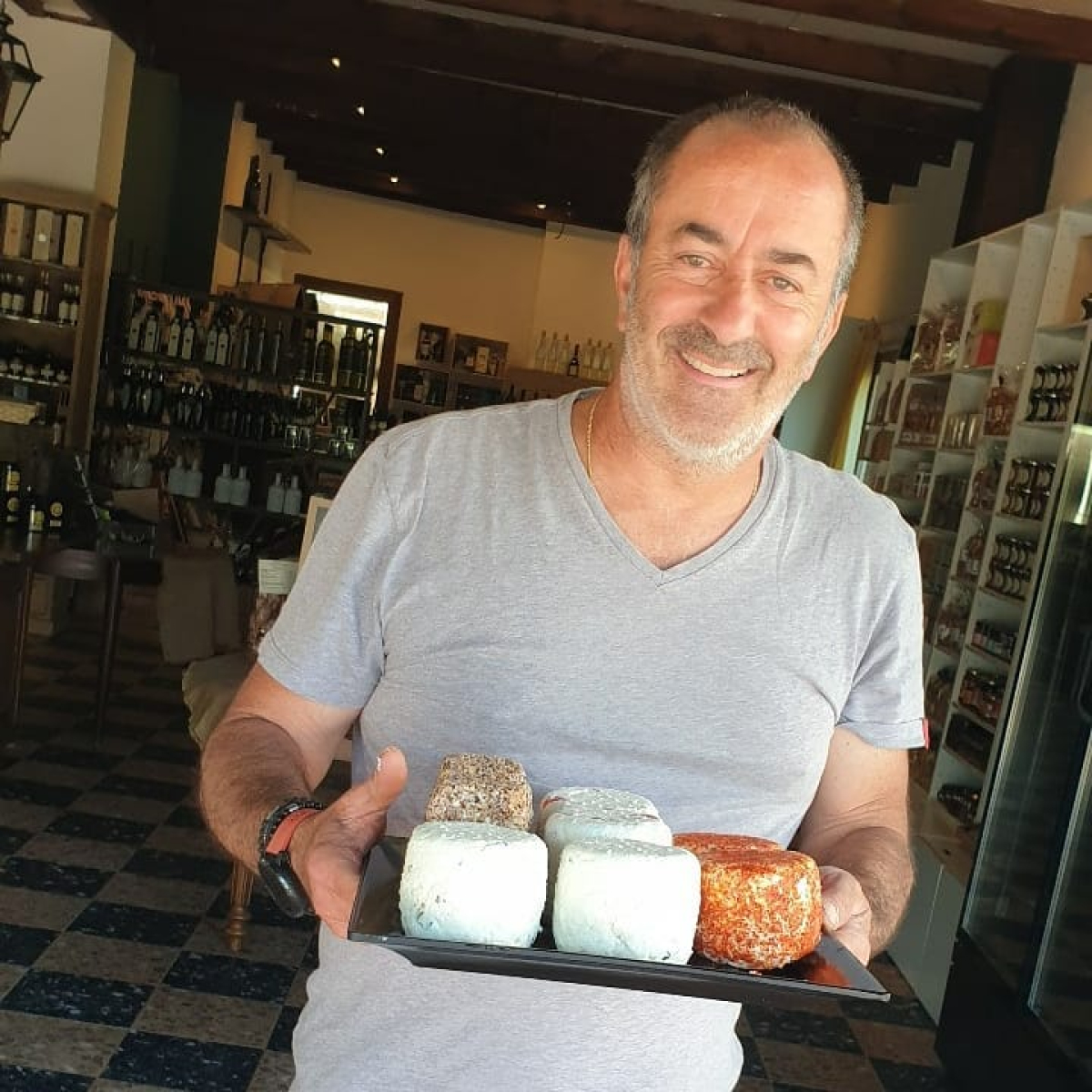 Lionel Pinzuti, berger à Bastelica
¹ https://bluebees.fr/fr/project/180-berger
An unusual path to pastoralism
Not all Corsican shepherds are born into this family tradition. ‘I don't come from a family of shepherds,’ explains Lionel Pinzuti. His career path initially took him down other avenues. He worked as a bricklayer, restaurant waiter, employee at the Val d'Ese ski resort, and then as a night-time barman in a piano bar.
The change came at the age of 33: ‘I went to agricultural college to get my diploma and one day I said, “Right, that's it, I'm quitting and setting up my own business.”’ This decision marked a radical turning point that required him to build a farm from scratch: ‘I had to build all the buildings and fences. I created everything from A to Z.’
Extensive farming in the Corsican maquis
The island farming system exploits natural resources over vast areas. Lionel manages his herd of around thirty young goats and fifteen billy goats, in addition to his adult goats. "I have declared 300 hectares of scrubland, but the goats roam further afield because there are no fences.
‘The daily routine follows an ancestral pattern: ’The goats go up into the mountains, graze all day and come back in the evening." This freedom to graze characterises extensive farming, where the animals naturally enhance the biodiversity of the scrubland.
Corsican goats, a breed recognised in 2003, weigh between 35 and 45 kg for females. Their long coats protect them from thorns, and their powerful hooves allow them to navigate the most rugged terrain. This exceptional hardiness is perfectly suited to Corsica's 117 peaks over 2,000 metres high.
The art of cheese making
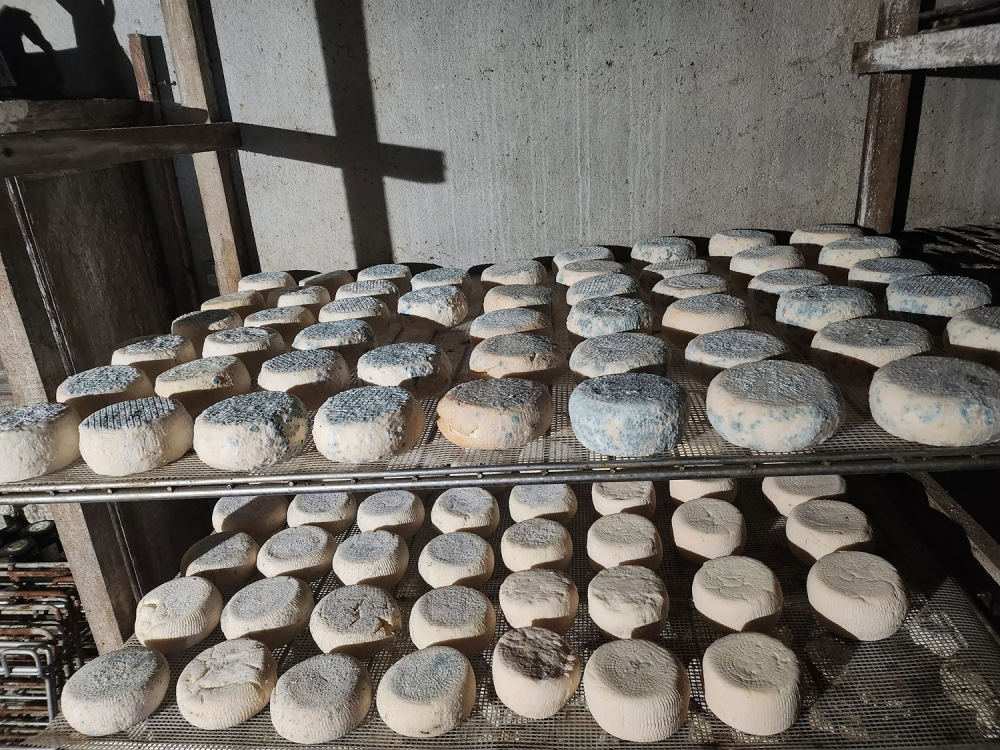 Cheese ripening, an important stage in cheese production ©ADOBESTOCK
Cheese-making is the economic heart of the business. Lionel developed his own technique, drawing inspiration from the elders: “I asked all the old folks in the village how they made their cheese, and I got an idea.” He produces Bastelicaccia, a cheese that curdles over 24 hours.
Faced with the daily routine, innovation becomes necessary: ‘One day, I realised that my day consisted of milking and cheese-making. But it had almost become a routine, and I told myself that I had to do something more.’ This reflection led him to flavoured cheeses. He started with thyme, then expanded the range with mint, jam, candied figs, and even salted butter caramel.
Farm meals: cultivating authenticity
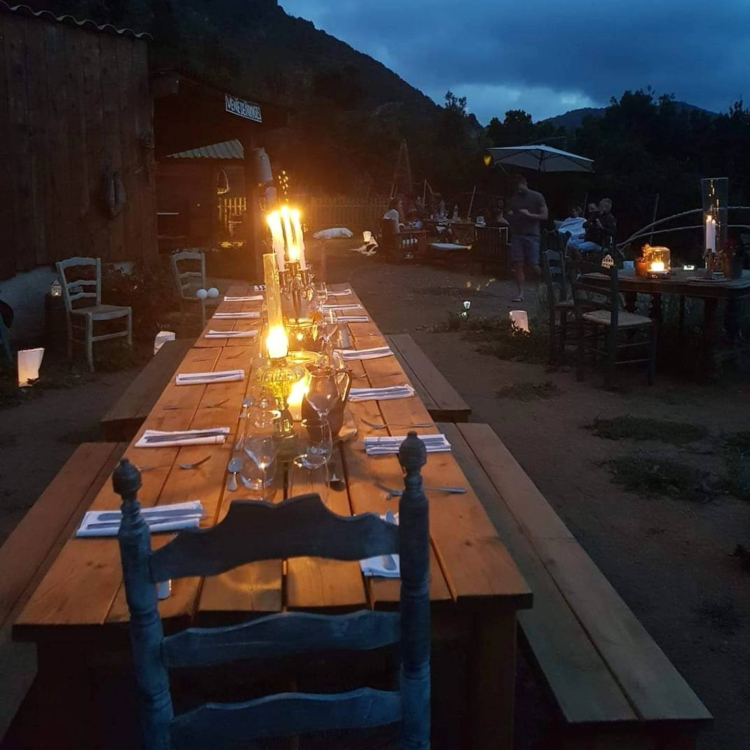 The sheepfold is transformed into a table d'hôte for a candlelit dinner under the stars ©ADOBESTOCK
Agritourism complements cheese-making. ‘What I do at the sheep farm isn't a tasting evening, it's a farm meal,’ explains Lionel. The format favours intimacy: ‘It's by reservation only, with a maximum of 20 people. I want it to remain friendly.’
Observing people's behaviour shaped the concept: ‘I noticed that when we served a starter, main course and dessert, people would have a drink while they waited. That's when the conviviality happened.’ This analysis led him to do away with the starter in favour of a prolonged aperitif with homemade preparations.
The evening atmosphere creates a unique experience: ‘The table is lit entirely by candlelight. As there is no light pollution, people can see the whole starry sky.’
A sector undergoing change in the face of contemporary challenges
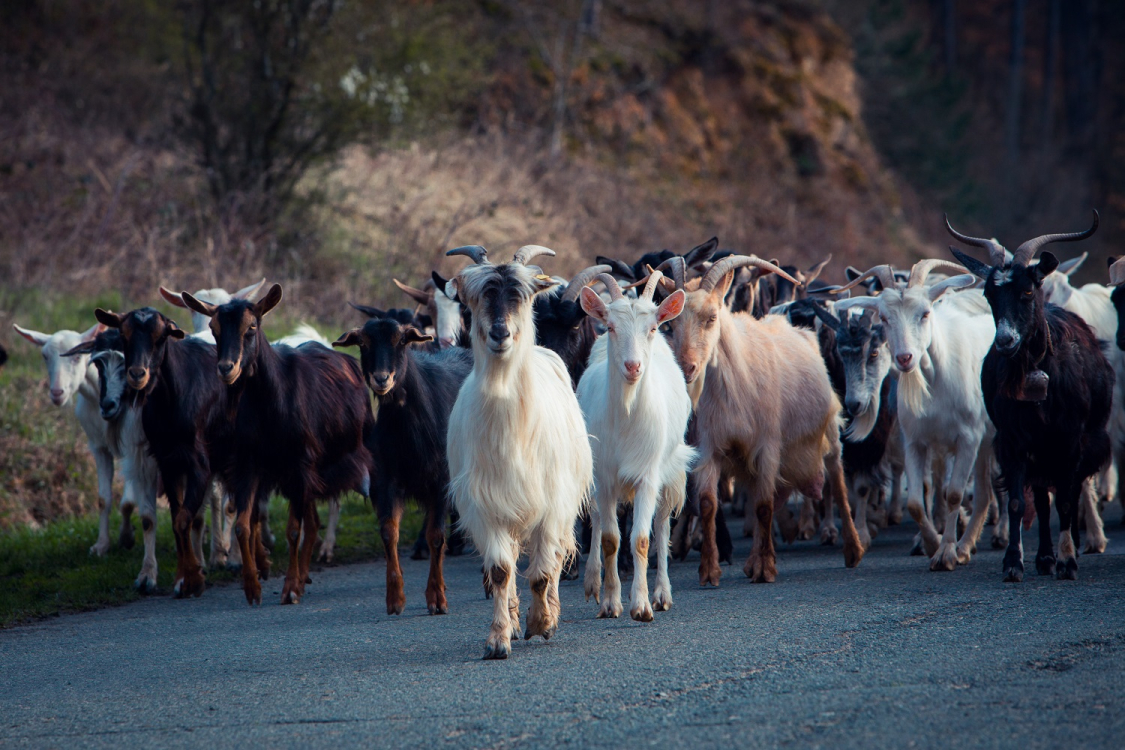 Herd of Corsican goats ©ADOBESTOCK
The profession is going through a difficult period. In twenty years, Corsica has lost 20,000 ewes and has gone from 1,000 sheep farmers in 1985² to 790 today³. Epidemics of bluetongue disease have caused the death of 43,000 ewes since 2000⁴.
Today, the island's cheese-producing shepherds manage 72,000 ewes and 30,000 mother goats⁵. Annual production reaches 11 million litres of milk⁶. The sector provides 200 jobs with 106 recruitment projects planned, but 94% of these are seasonal positions⁷.
Nevertheless, concrete actions are supporting the industry. The Brocciu PDO was recognised in 1983, and the Corsican sheep breed in 1987⁸. Genetic advances have increased milk production by 40%⁹. Breeders have redistributed 8,000 rams and 15,000 quality ewe lambs to the island's livestock¹⁰.
² ⁴ ⁹ ¹⁰ https://bluebees.fr/fr/project/180-berger
³ ⁵ ⁶ ⁸ https://www.ilocc-corse.com/la-filiere-lait
⁷ https://orientazione.isula.corsica/metier/berger-bergere/
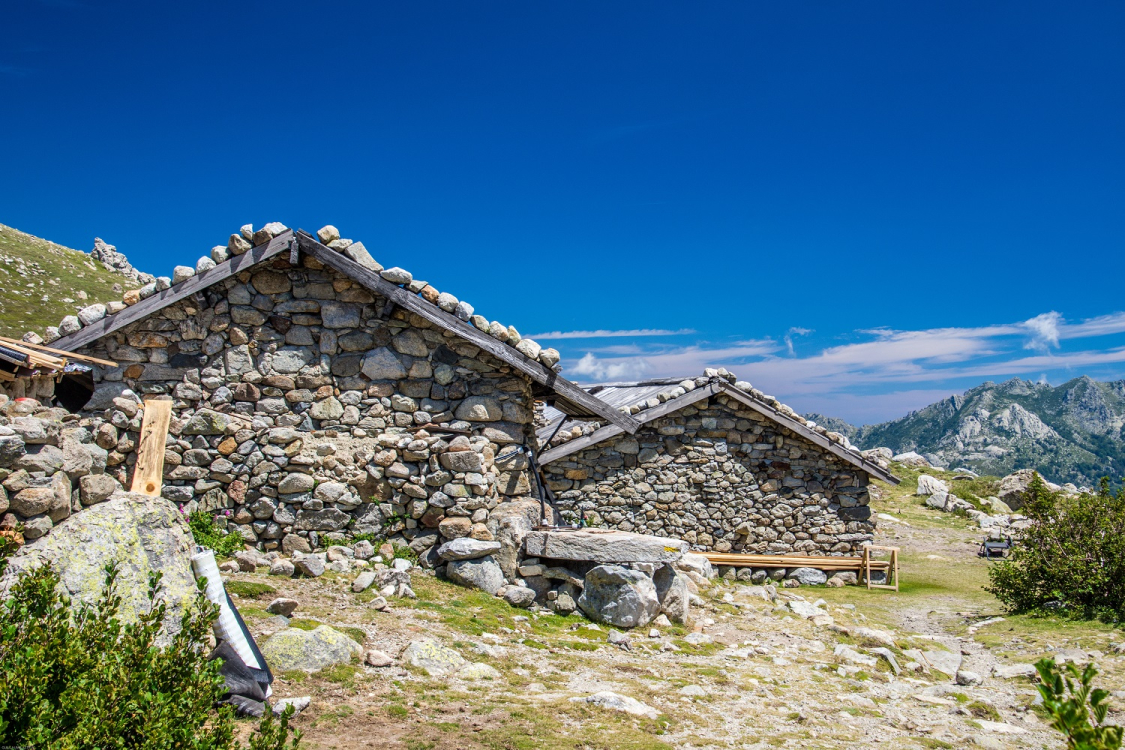 A traditional Corsican dry stone sheepfold ©adobestock
Good to know:
The legacy of dry stone sheepfolds Traditional sheepfolds (u stazzu) are a testament to pastoral architectural genius. Built without mortar, they comprise the shepherd's hut (a capanna) with its corbelled vault, the work area (tinellaghju) and the maturing cellars (i casgili). The latter, built lower to keep them cool, have a small entrance through which one had to crawl on one's stomach. These buildings represent an architectural heritage that is in danger of disappearing.
Future prospects and diversification
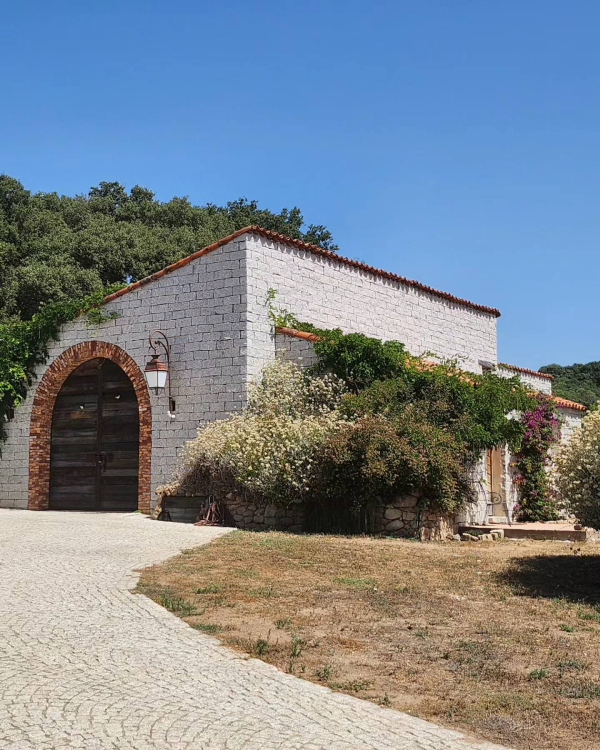 The sheepfold nestled in the heights of the Prunelli Gorges ©adobestock
Adapting to new demands is guiding future projects. Lionel is considering offering unusual accommodation: ‘Some people tell me it's a shame we can't sleep here. I might build some simple wooden cabins with just a bed inside.’
The recognition of transhumance as UNESCO Intangible Cultural Heritage in December 2023 highlights the value of these practices¹¹. This distinction, awarded to ten European countries, celebrates the positive impact of pastoralism on the environment. It prevents fires (130 hectares burned in Haute-Corse during the 2024 season¹²) and maintains the island's biodiversity.
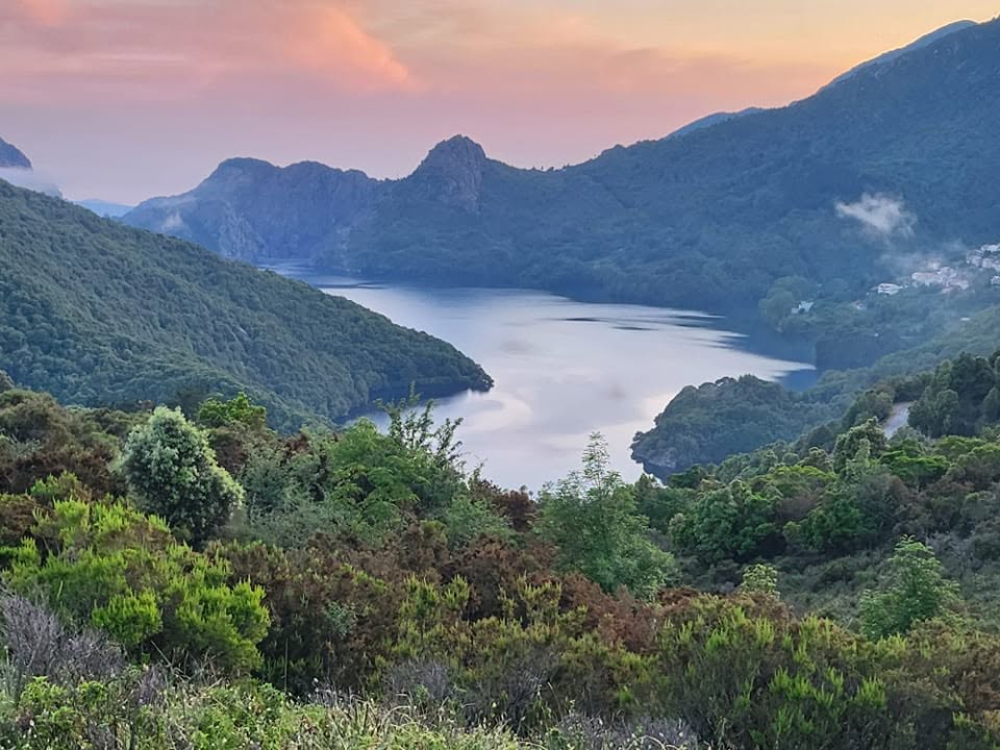 View of Lake Todda (Tolla) from the Prunelli Gorges ©adobestock
‘You're in the middle of nowhere, surrounded by mountains, with no houses around.’ In these isolated areas, shepherds sustain an authentic local economy. Their daily presence slows down rural depopulation and maintains fragile ecosystems that only grazing can manage.