Rechercher...
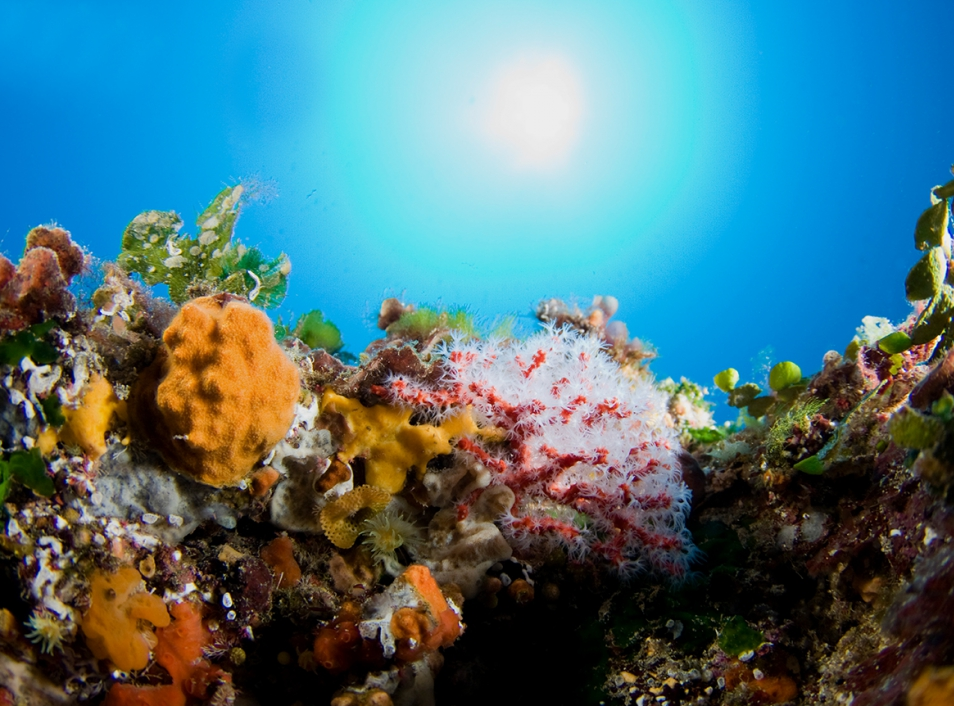
Discover the seabed of Cap Corse with Actisub


 ACTISUB
Scuba diving at Saint Florent in Cap Corse and Agriate.
Actisub offers you:
Baptism
This is a unique opportunity to discover the underwater world.
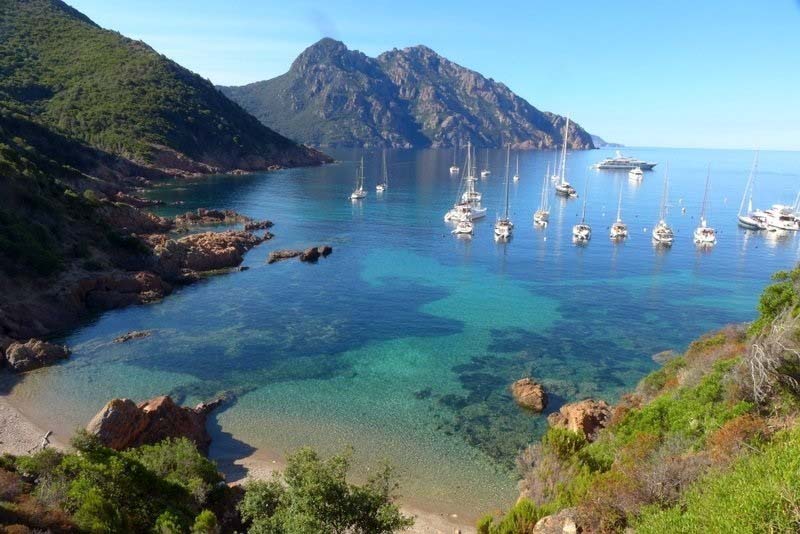
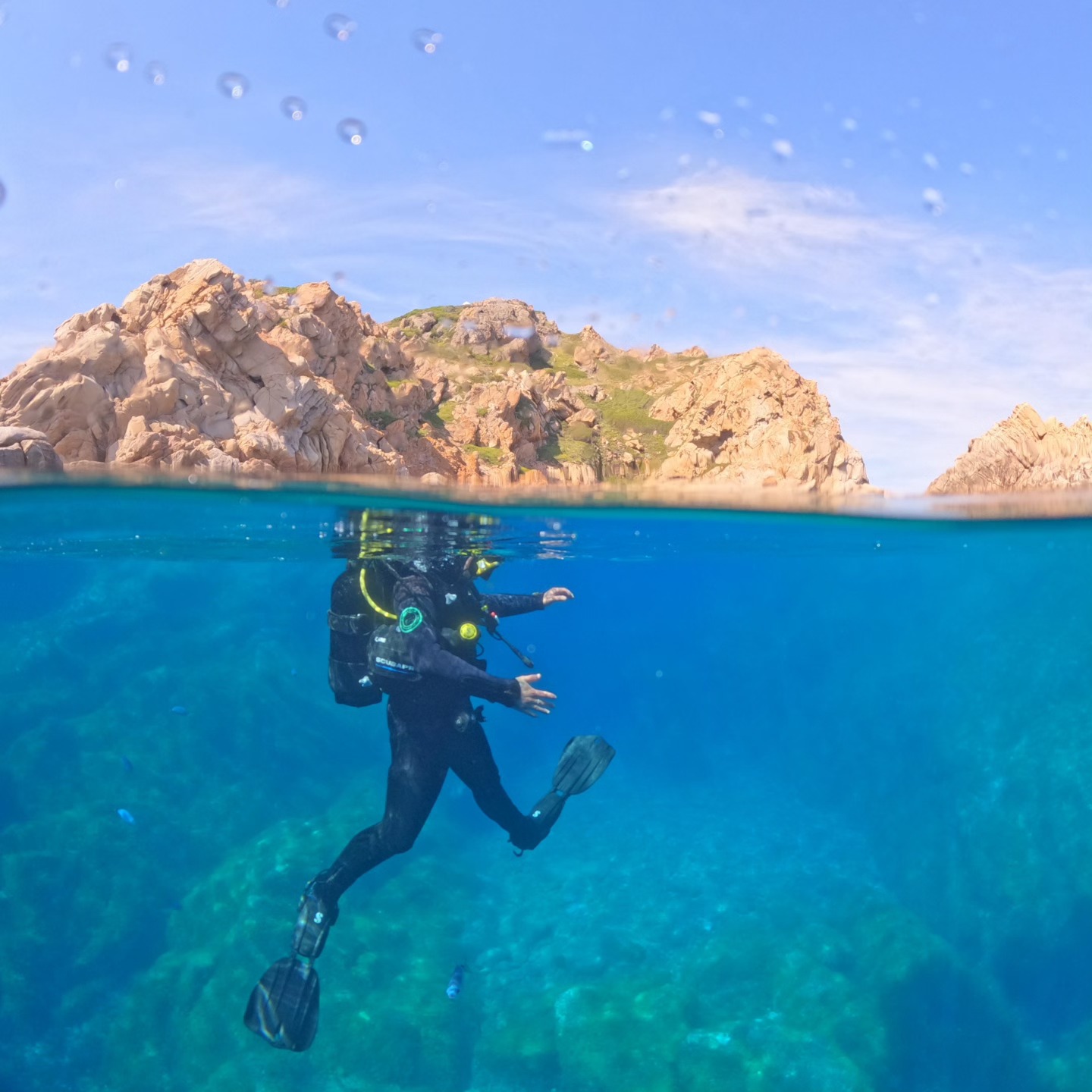
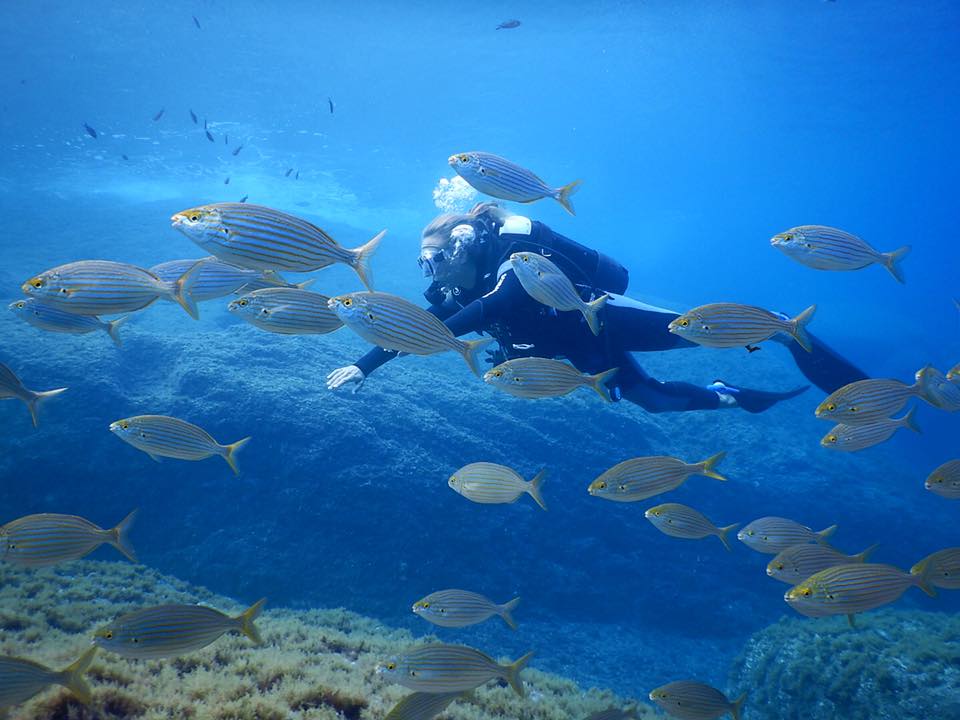
The baptisms take place at the Sphinx, a very pretty rock on the famous Lodo beach, with turquoise waters rich in underwater flora and fauna.
You're on your own with an instructor who looks after you, so all you have to do is watch the multicoloured fish and starfish.
If you would like to dive together, please let us know so that we can arrange for several instructors to be available at the same time.
The minimum age required by law is 8 years and the maximum depth allowed is 6m.
First dives take place every day at 2.30 p.m. (In July and August, remember to book a few days in advance, especially if there are several of you).
The Discovery Pack
An introduction to scuba diving.
The 'Discovery Pack' offers an introduction to scuba diving.
It allows you to make three introductory dives in the 0 - 6 m range, supervised by a professional, state-certified instructor.
It's aimed at beginners (minimum age 8) who want to discover the underwater world before embarking on a training course.
You'll be able to enjoy the world of diving without a medical check-up or licence, with the sole aim of enjoying the sensations and discovering new things.
It's up to you to decide how you want your sessions to develop (exploration or training).
Once your 3 dives have included some teaching, you will be able to access the 0 -12 m area accompanied by an instructor, provided you have a F.F.E.S.S.M. licence.
A provisional card is given to you with the "discovery pack", you can, if you wish, obtain a definitive card from the F.F.E.S.S.M.
The "discovery pack" allows you to validate 3 dives using the logbook it includes, which may later be incorporated into the official FFESSM logbook.
These 3 dives can be used for entry into the FFESSM Level 1 syllabus.
Exploration
The different dive sites
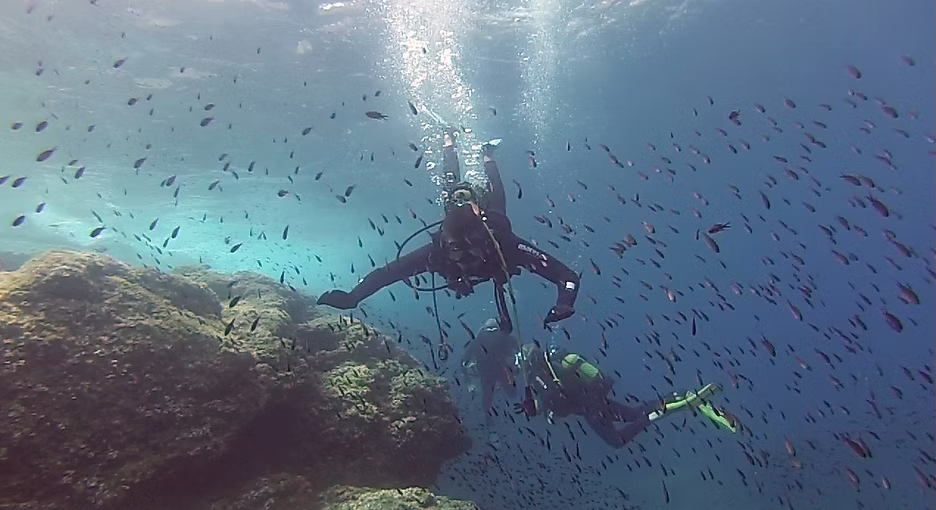
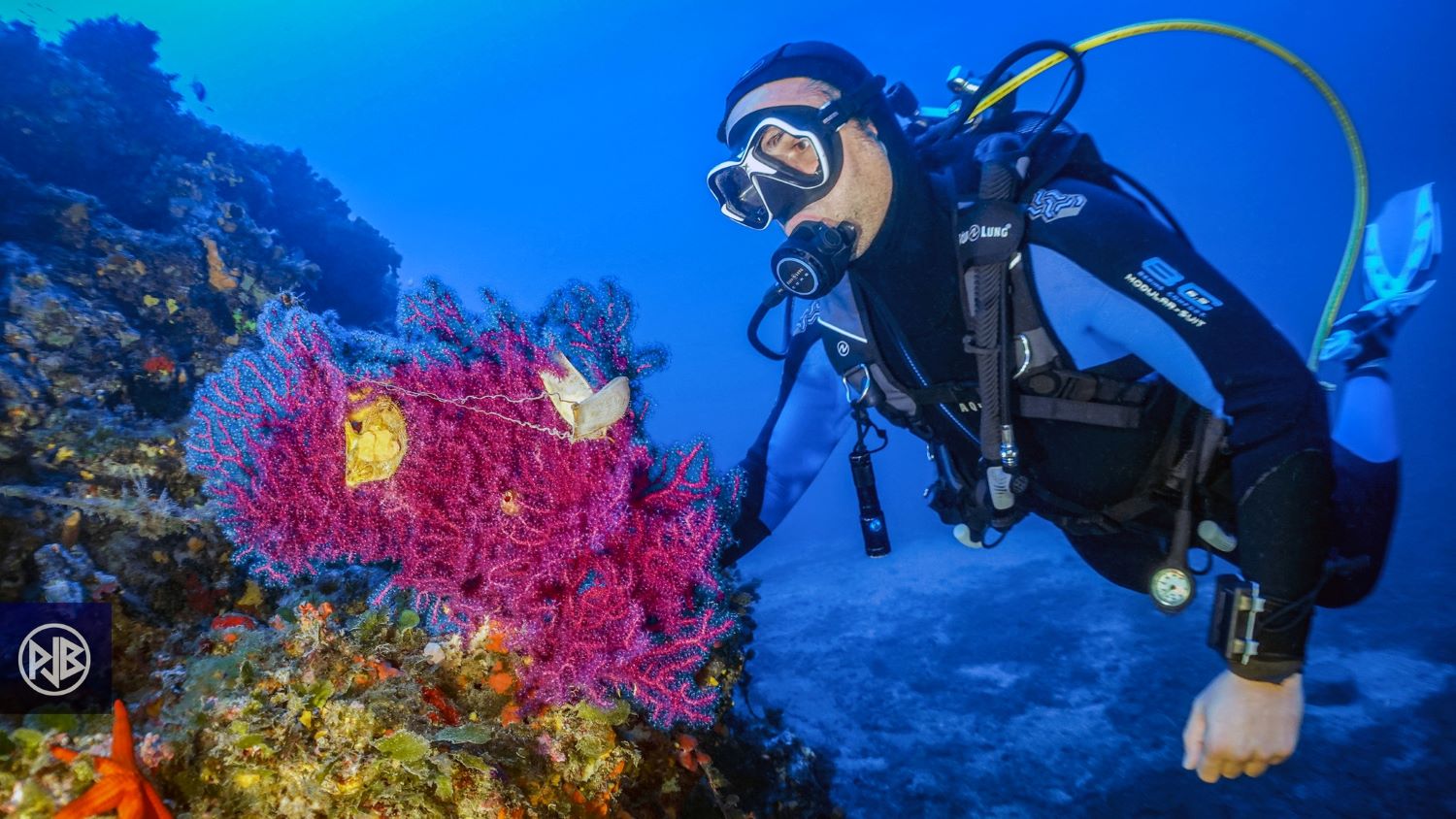
Situated between the Agriates Desert, renowned for its crystal-clear waters, and Cap Corse, with its vertiginous drop-offs (including the famous Nonza rock, listed among the 80 most beautiful dives in the Mediterranean), the Gulf of Saint Florent offers a wide variety of dive sites for divers of all levels, from beginners to experienced divers.
What's more, the gulf is very well sheltered, which generally means that diving trips can be organised even in difficult weather conditions.
First dives take place at the Sphinx rock, just a few metres from the Lodo beach, famous for its turquoise waters and white sand, and only accessible by sea.
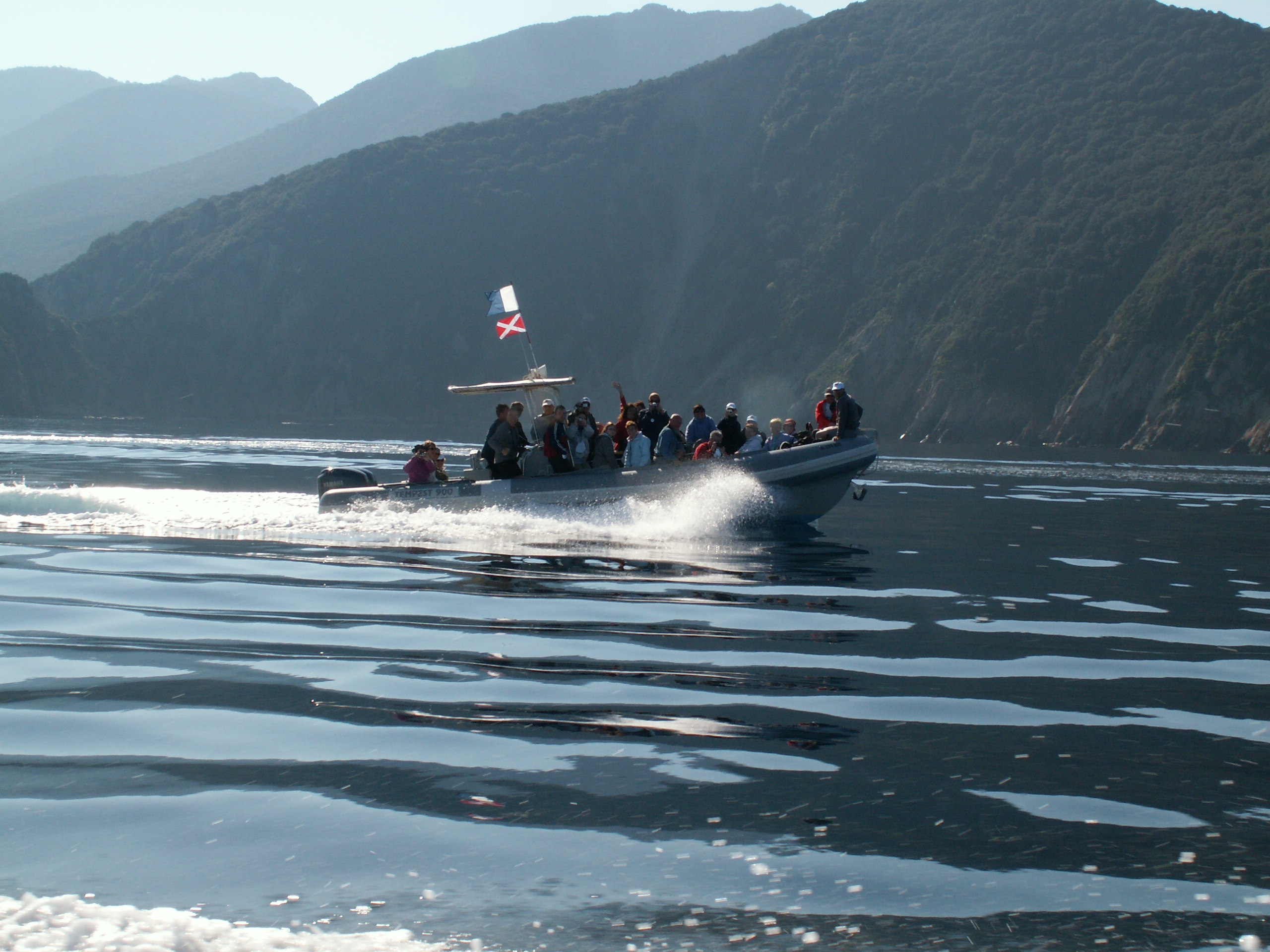
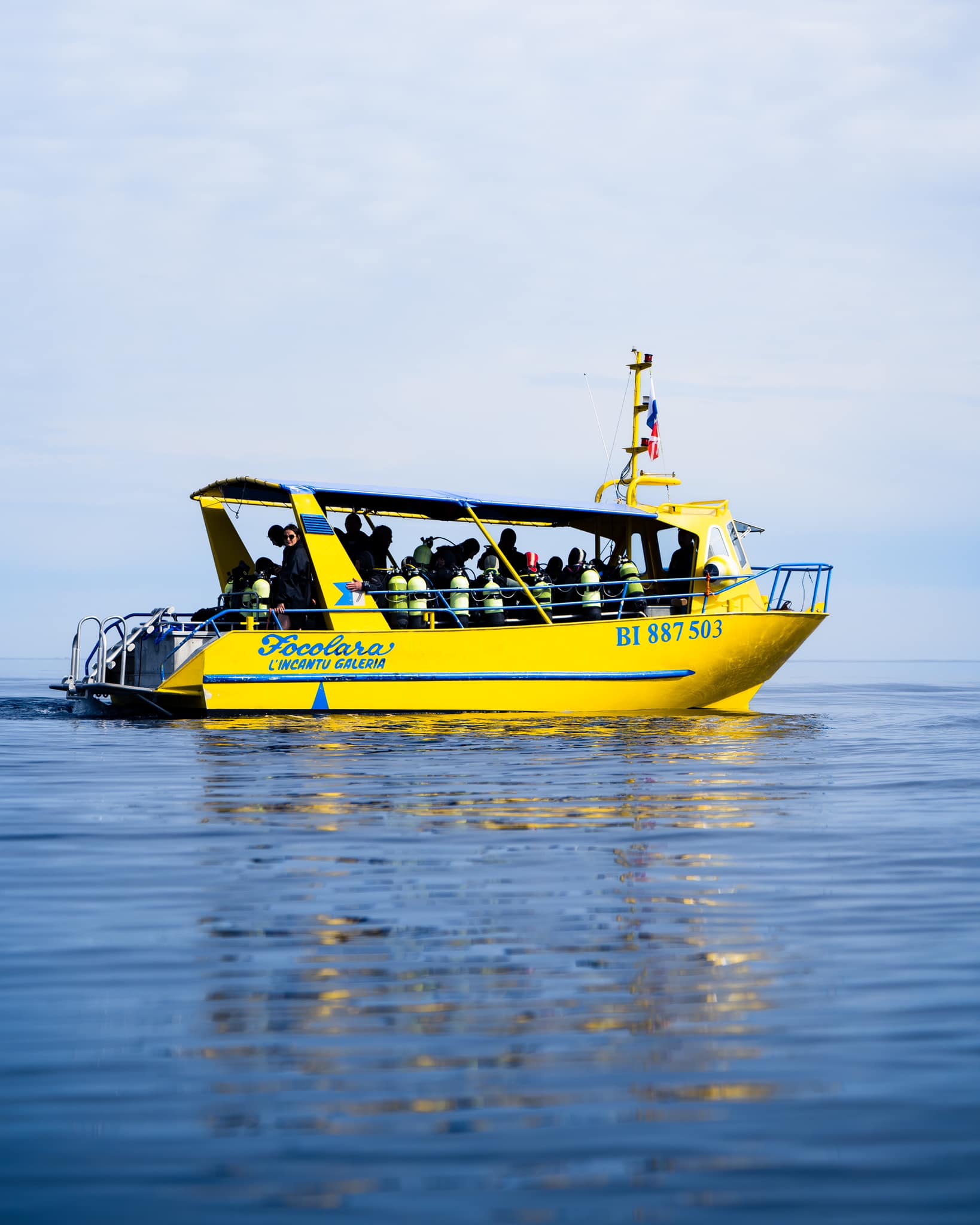
We have chosen this site, at the exit of the Gulf of Saint Florent, and therefore a little distant (15 minutes by boat), to allow you to dive in clear waters full of fish and discover a large number of Mediterranean species.
Training courses
They take place in the morning or afternoon, depending on your level. Whatever the course you choose, each practical session is accompanied by an exploration, so that you can combine technical work with pleasure.
Level I (F.F.E.S.S.M)
This is the first level of training, which teaches you how to work safely underwater in a self-contained diving suit and how to manage your equipment.
This course consists of 7 practical sessions at sea, enabling you to work in groups of up to 20 metres.
Theoretical input will be given throughout the practical sessions.
Level II (F.F.E.S.S.M)
The first step towards autonomy and deeper seabed diving.
It consists of 9 practical sessions plus theory lessons.
You will learn to dive independently and to help your team-mates in the event of difficulties.
You will be able to dive with a supervisor to depths of up to 40 metres and dive independently to depths of up to 20 metres.
Level III (F.F.E.S.S.M)
For divers who already have a good diving experience.
To qualify, you must :
- Either have the A.F.P.S (Attestation de formation au premier secours) and the A.F.C.P.S.A.M (Attestation de Formation Complémentaire au Premier Secours Avec Matériel). These courses are provided by the French civil protection authorities
- Or you can take the R.I.F.A.P (Réaction et Intervention Face à un Accident de Plongée - Reaction and Intervention in the Event of a Diving Accident), a first aid course specific to diving, at our club.
If you have limited time, we recommend that you take these first aid qualifications before your Level III course.
Level III consists of 7 practical sessions, excluding RIFAP training, plus theory.
It's the diploma that gives you complete autonomy in scuba diving, allowing you to dive to a depth of 60 metres and organise your own dives.
Autonomous diver 20m (PA20)
For Level I divers who want to be able to dive independently to depths of up to 20 metres without taking Level II.
The course consists of 5 practical sessions plus theory lessons.
Supervised diver 40m (PE40)
For Level I divers who want to be able to dive independently to depths of up to 40m without taking Level II.
The course consists of 4 practical sessions plus theory lessons.
Autonomous Diver 40m (PA40)
For Level I or II divers who want to be able to dive independently to depths of up to 40m without taking Level III.
The course consists of 4 practical sessions plus theory lessons.
Children's diving
Children can dive from the age of 8, with appropriate supervision and equipment.
They are generally very comfortable in the underwater environment.
They can take part in baptisms or specific training courses.
Children's baptisms
Children's first contact with diving is a special opportunity to discover multicoloured fish, starfish and sponges at shallow depths (2 or 3 metres) .....
Children's diving certificates
There are 3 levels of diving training for children: Bronze Diver, Silver Diver and Gold Diver.
The 3 levels are differentiated by age, depth and technical skills.
Children aged between 8 and 10 can take the Bronze or Silver Diver course. Once they reach the age of 10, they can take the Gold Diver course.
From the age of 14 (or 12, on the advice of the instructor(s) and with the agreement of the parents and the Club President), they can undertake Level I training, giving them the same prerogatives as an adult.
During these courses, our young divers learn how to manage their equipment, work in a group and be autonomous underwater.
During the practical sessions, we emphasise the fun aspect and the discovery of this new environment that is the sea.
Safety is of course a top priority, but we also want the children to have fun and get the most out of being underwater.
Locate
Our other offers and holiday ideas